

The Art of Food & Beverage Cinematography: Bringing Flavor to the Screen
Great food cinematography isn’t just about making something look tasty—it’s about creating an experience that makes the viewer feel the textures, taste the flavors, and crave the product instantly.
Why Food & Beverage Cinematography is More Than Just Filming a Dish
Great food cinematography isn’t just about making something look tasty—it’s about creating an experience that makes the viewer feel the textures, taste the flavors, and crave the product instantly. As an LA DP and food cinematographer, my job is to take everyday ingredients and transform them into cinematic works of art. Whether it's the perfect cheese pull, a slow-motion whiskey pour, or the steam rising off a dish, the right techniques make all the difference in commercial video production.
Lighting is Everything
Ask any food cinematographer—bad lighting can make even the most delicious dish look unappetizing. The key is to highlight textures, colors, and freshness while avoiding flat, lifeless frames. Soft diffused light makes pastries look airy, while controlled hard lighting adds contrast to a perfectly grilled steak. For beverage cinematography, reflections and glass textures play a huge role. Capturing the way light bends through liquid or how condensation forms on a cold drink brings life to the shot. And let’s be real—if the lighting isn’t making you hungry or thirsty, it’s not doing its job.
Slow Motion & Motion Control for the Perfect Shot
Timing is everything in commercial video production, and motion control is a game-changer when shooting food and beverages. A perfectly-timed coffee swirl in slow motion or a precisely dropped ice cube in a cocktail glass adds drama and elegance to any ad. This is where using a motion control system makes all the difference. It allows for repeatable, ultra-smooth movements that make every shot look intentional and beautifully executed. As a beverage cinematographer, I’ve found that syncing camera motion with liquid dynamics creates some of the most mesmerizing visuals possible.
Storytelling Through Ingredients & Action
A great food cinematographer doesn’t just capture still shots of plated meals—we bring the entire process to life. From the sizzle of a pan to the dusting of powdered sugar, every element of the preparation is an opportunity to create cinematic gold. Action shots, like a rolling dough ball, a flipping pancake, or a slow-motion tomato slice hitting a cutting board, all help tell the story of a dish. This kind of storytelling is what makes a commercial video production stand out—it's not just about showing food, it's about making the audience experience it.

Why Cinematography Matters in Food & Beverage Commercials
Food and beverage brands aren’t just selling a product—they’re selling an experience, a lifestyle, a craving. Every restaurant commercial, drink promo, or product ad relies on a director of photography to make sure the visuals don’t just show food, but make you want it. As a food cinematographer in Los Angeles, I focus on precision, lighting, motion, and storytelling to create high-end, mouthwatering visuals. Whether it’s for a luxury beverage brand, a fast-food campaign, or a fine-dining experience, great cinematography can turn a simple dish into an unforgettable moment on screen.

Redefining Cinematic Precision: The Power of Motion Control in Modern Filmmaking
Motion control cinematography allows us to execute high-speed tracking, intricate tabletop work, and even action-packed sequences with unmatched precision.
Why Motion Control is Changing the Game
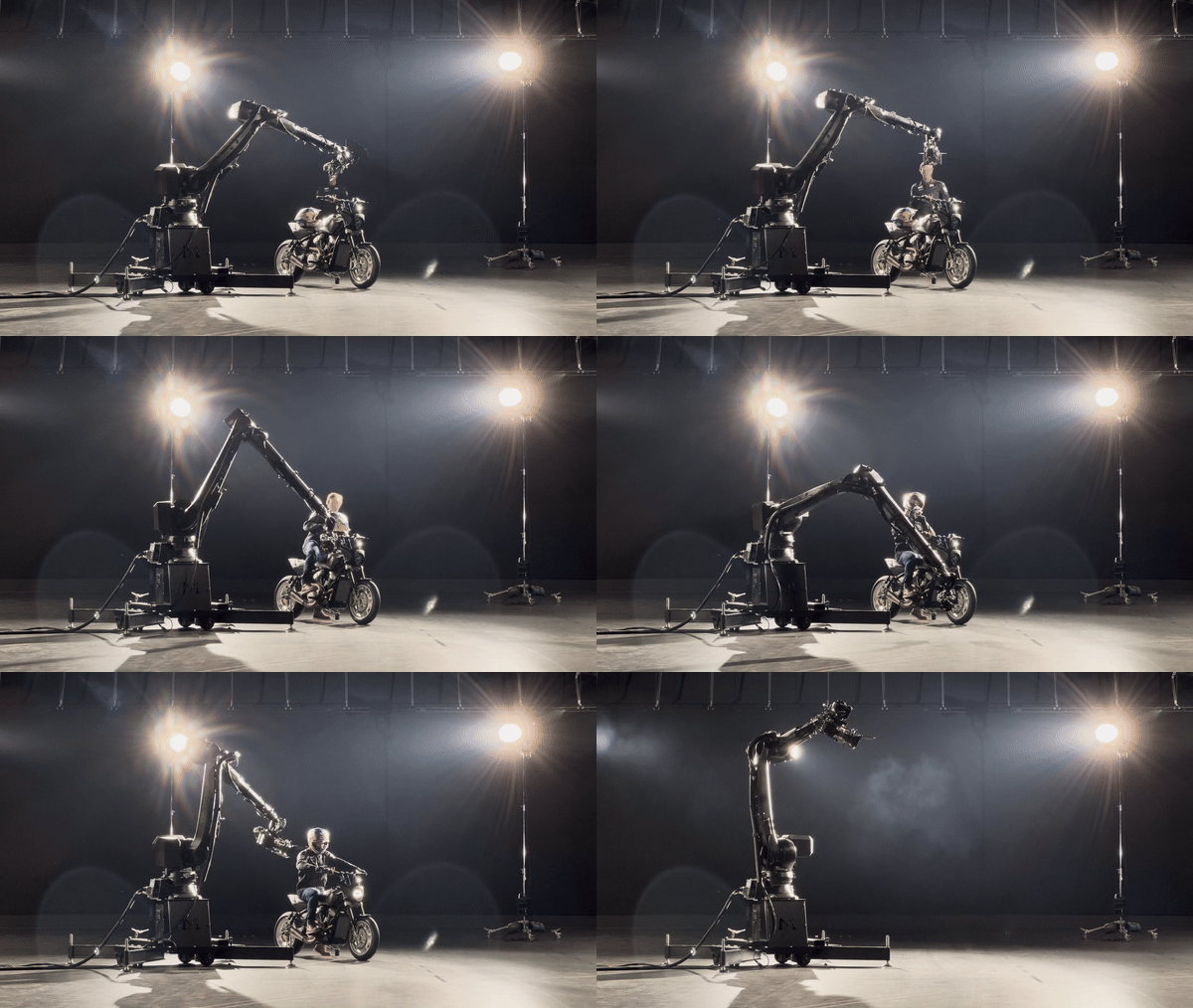
Filmmaking has always been about innovation. From early camera rigs to today's robotic motion control systems, the goal remains the same—create seamless, dynamic, and repeatable shots that elevate storytelling. Motion control cinematography allows us to execute high-speed tracking, intricate tabletop work, and even action-packed sequences with unmatched precision. Whether it’s using a robot motion control camera to glide through a set or a motion control camera robot executing perfect slow-motion sequences, the technology has opened up possibilities that were unthinkable a decade ago.
Precision, Repeatability, and Creativity
One of the biggest challenges in cinematography is achieving perfect, repeatable shots. Enter robotic arm motion control camera rigs—these machines allow cinematographers to program precise movements that can be replicated down to the millimeter. This is a game-changer for:
Food and beverage cinematography, where liquid splashes and ingredient tosses need consistency
Product cinematography, where beauty shots require ultra-smooth motion
Action sequences, where dynamic camera moves need to be exactly the same for multiple takes
Slow motion cinematography, where a slow motion control camera robot ensures every frame captures the right movement
With motion control, you can lock in exact repeatable paths, allowing multiple takes with perfect alignment for seamless post-production editing.
How Motion Control Enhances Slow Motion Cinematography
Slow motion already adds drama and beauty to a shot, but combining it with motion control camera robots takes it to another level. Imagine tracking a water droplet as it collides with a surface in Phantom high-speed slow motion, all while the camera moves dynamically through the scene. This isn’t just about aesthetics—it’s about controlling every element of motion, light, and framing. With tools like Colossus by Motorized Precision, the movements are programmed, synchronized, and completely repeatable, allowing cinematographers to push creative boundaries without relying on chance.
The Role of Motion Control in Tabletop and Product Cinematography
For brands looking to showcase luxury products, food, or high-end beverages, the right cinematography makes all the difference. A robotic arm motion control camera rig lets us capture products in a way that feels larger than life. Imagine a perfume bottle floating effortlessly through light, or a cocktail pour captured with perfect clarity. Without motion control, these shots would require multiple attempts and luck—with robotics, they’re executed flawlessly, every time. The ability to sync camera movements with lighting shifts, product rotation, and environmental effects makes motion control indispensable in modern commercial cinematography.

Why Motion Control is the Future of Filmmaking
The best part? We’re only scratching the surface. As robot motion control cameras evolve, we’re seeing a future where AI, automation, and cinematography blend seamlessly. The demand for high-speed, high-precision, and repeatable filmmaking techniques is only growing, and motion control filmmaking is leading the charge. Whether it's a blockbuster promo, a cutting-edge product commercial, or an intricate food shoot, motion control is redefining what’s possible behind the lens. And honestly, as a cinematographer, I wouldn’t want to work without it.
5 Reasons Why Motion Control is the Present and Future of Commercial Video Production
Discover the five key reasons motion control is revolutionizing commercial video production, from product cinematography to beverage cinematography
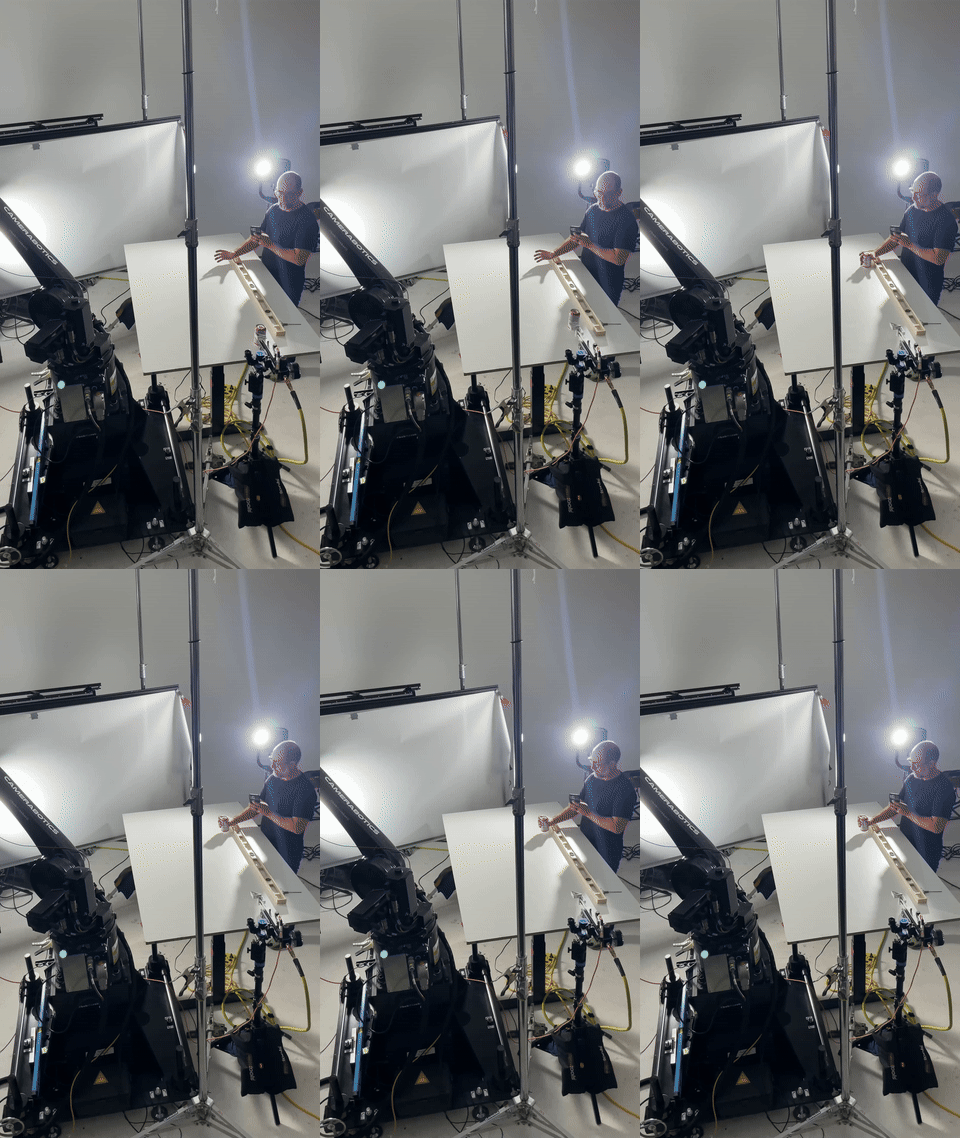
Motion control is transforming commercial cinematography, allowing cinematographers in Los Angeles to achieve precision, efficiency, and creativity like never before. Whether working on food cinematography, beverage cinematography, or tabletop production, motion control is the key to innovation.
1. Precision for Product Cinematography
In commercial product cinematography, repeatable movements create high-quality shots that elevate brand messaging.
2. Slow Motion for Impact
Using a phantom slow motion camera with motion control enhances beverage cinematography and beauty product videography, capturing intricate details in fluid motion.
3. Efficiency in Commercial Video Production
Motion control speeds up production while reducing retakes, making it a must-have for commercial cinematographers in Los Angeles.
4. Expanding Creative Possibilities
From complex tracking shots to seamless transitions, motion control allows commercial directors in Los Angeles to push creative boundaries.
5. Future-Proofing Cinematography
As technology advances, motion control will become even more essential in cinematography in Los Angeles, leading to greater innovation in food and beverage video production.
Conclusion
Motion control isn’t just the future—it’s the present. For commercial cinematographers and directors of photography in Los Angeles, it’s a game-changing tool that ensures precision, creativity, and efficiency.
10 Best Cinematography Techniques for Directors of Photography
Discover 10 essential techniques every cinematographer and DP should know, from motion control to slow motion photography
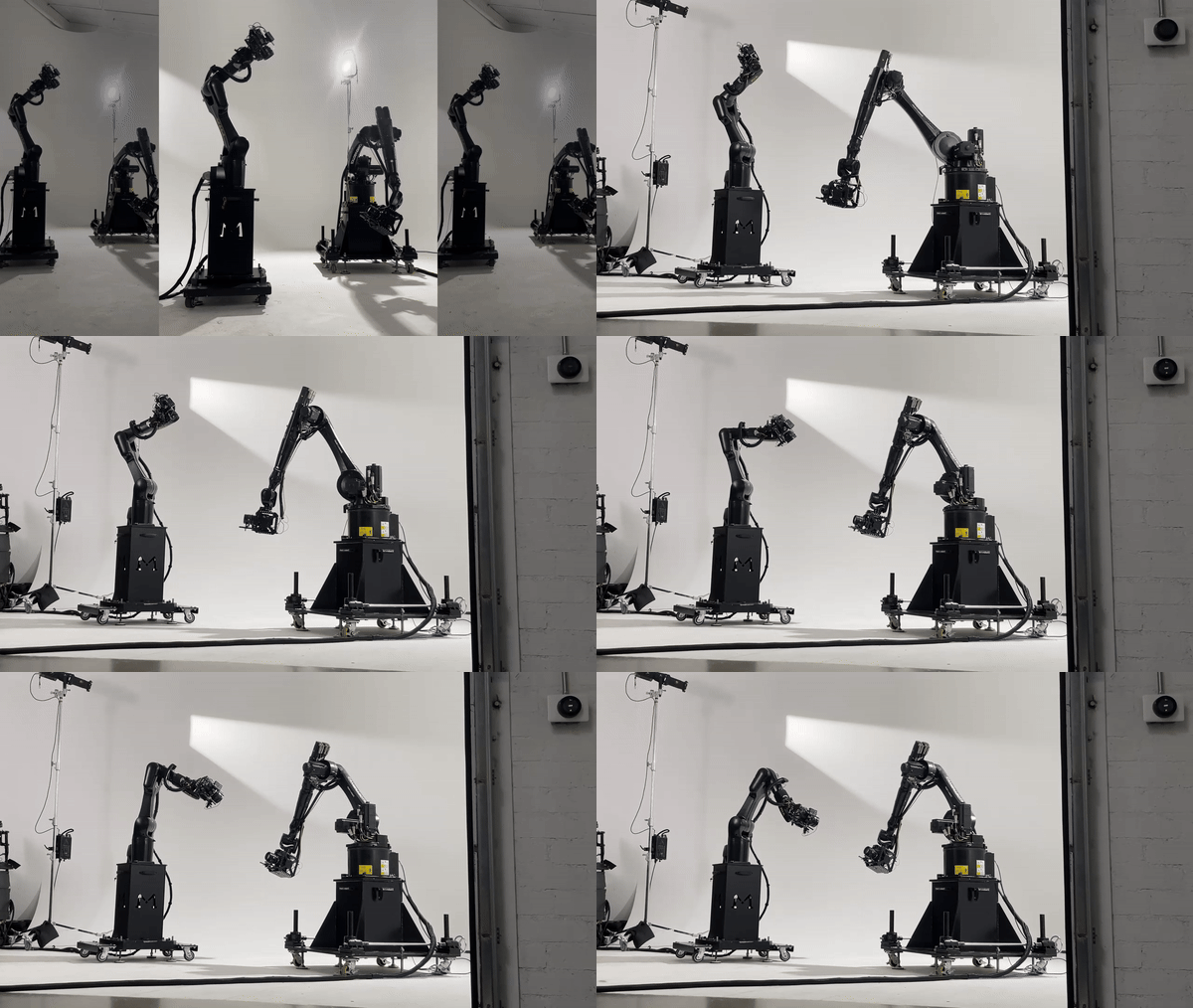
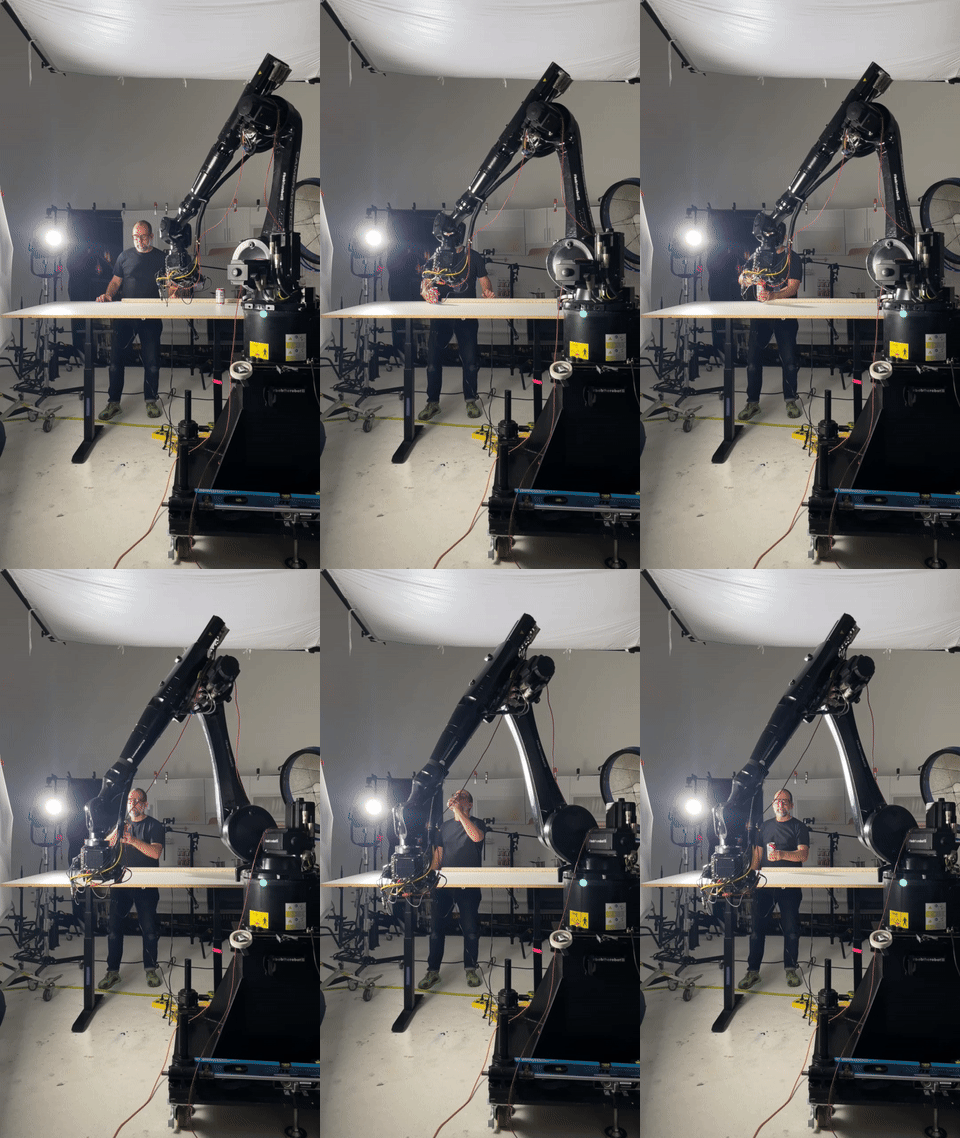
A great cinematographer in Los Angeles must be adaptable, creative, and technically skilled. Whether working on food cinematography, beverage cinematography, or beauty product videography, mastering essential techniques is key to delivering stunning visuals in commercial cinematography. Here are 10 of the best techniques every DP director should know.
1. Camera Angles Matter
The right camera angle sets the mood. Whether shooting a beverage tabletop director commercial or a beauty product cinematic video, angles create visual impact and enhance storytelling.
2. Motion Control for Repeatability
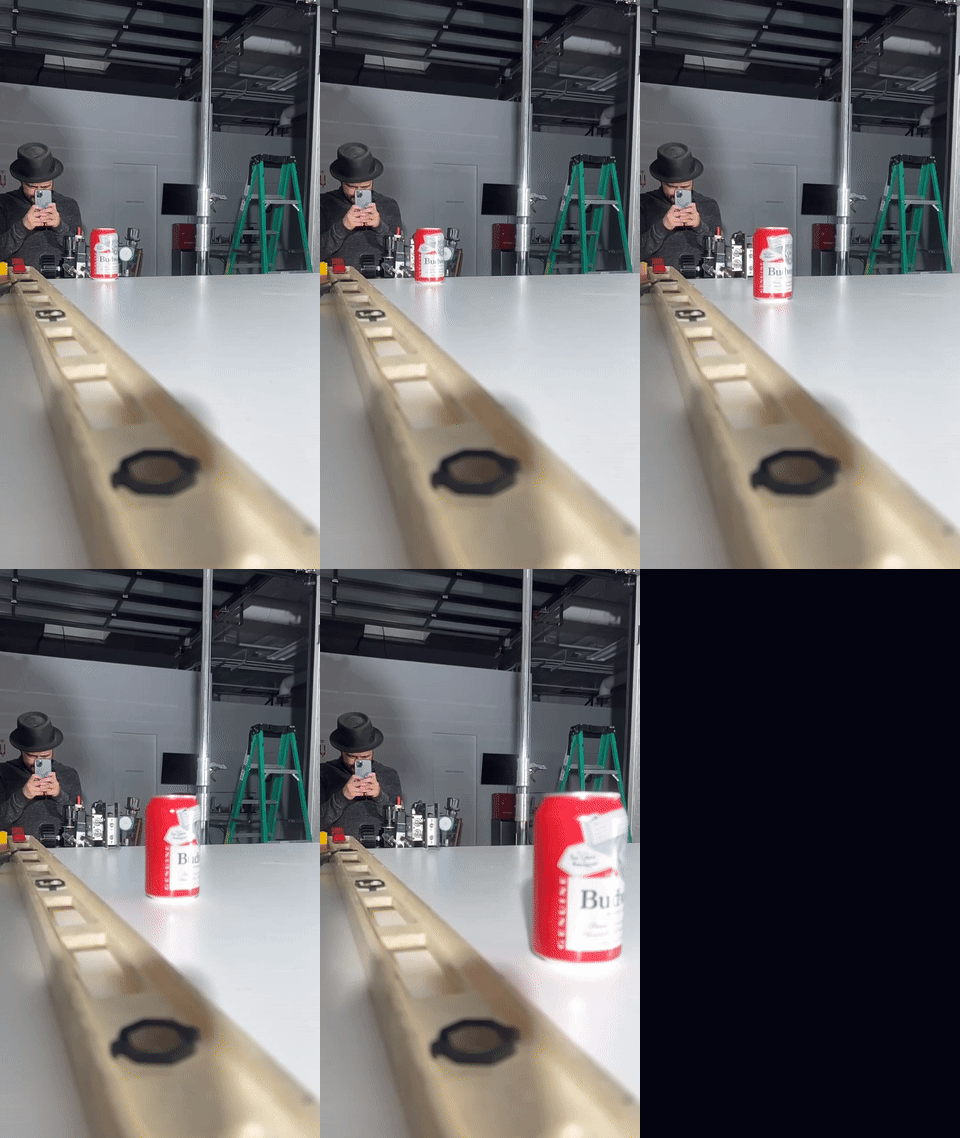
Precision matters in tabletop production. Motion control ensures fluid, repeatable movements for commercial food video production and product cinematography, delivering seamless, high-quality results.
3. Slow Motion for Detail
A phantom slow motion camera is essential in beverage cinematography and cosmetics commercial video, slowing time to emphasize textures and movement.
4. Lighting for Mood
Soft lighting enhances beauty product commercial video shots, while directional lighting in food cinematography creates dramatic effects.
5. Movement for Engagement
Dynamic movement grabs attention. Whether using a slow mo camera for product reveals or motion control for tracking shots, movement adds energy.
6. Framing for Storytelling
Great commercial cinematographers in Los Angeles use composition to guide the viewer’s eye and enhance the product’s appeal.
7. Color Grading for Visual Consistency
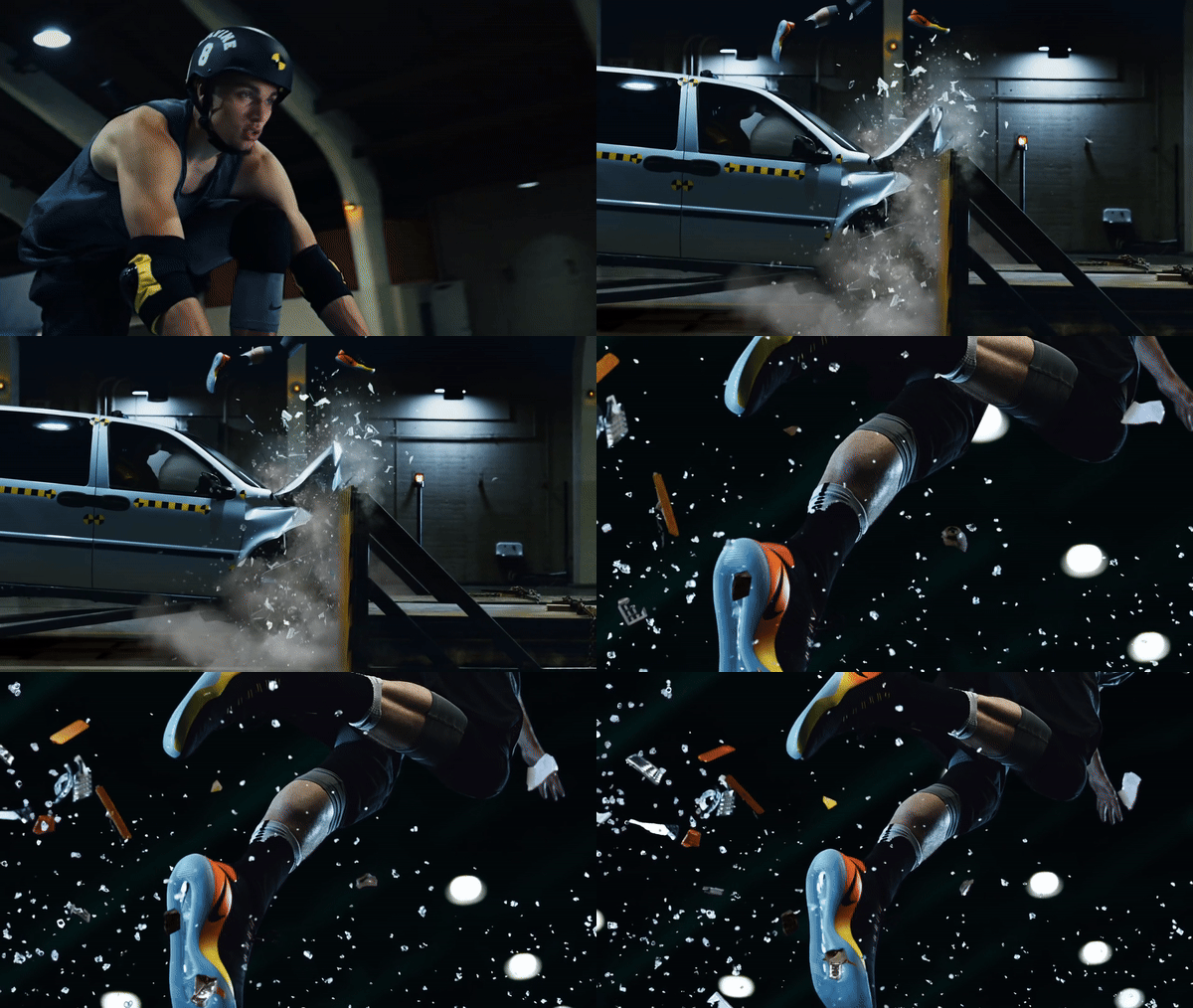
In commercial video production, color grading refines the final look, ensuring consistency across all shots.
8. Practical Effects for Authenticity
From steam rising in food cinematography to water droplets in beverage cinematography, practical effects make shots feel real.
9. Lens Selection for Texture
The right lens enhances focus and depth, crucial for beauty product videography and commercial cinematography.
10. Storytelling Above All
At the heart of cinematography in Los Angeles is storytelling—whether for food and beverage video production or a commercial director Los Angeles project.
Conclusion
Mastering these techniques makes a DP in Los Angeles stand out. By focusing on motion control, lighting, and composition, cinematographers and directors can create compelling, high-quality visuals.
Top Tips and Tricks from a Commercial Director of Photography
Learn expert insights from a commercial director of photography on lighting, motion control, and framing techniques for commercial video production
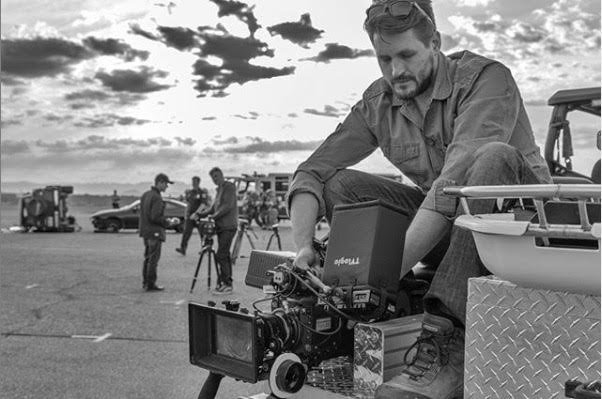
In commercial cinematography, every shot matters. Whether it’s for a food cinematography shoot, a beauty product cinematic video, or an engaging beverage cinematography campaign, the role of a director of photography in Los Angeles is to elevate visuals and ensure the final product resonates with audiences. As a DP in Los Angeles, I’ve learned that success in commercial cinematography comes down to preparation, precision, and creativity. Here are my top tips and tricks for delivering stunning visuals in commercial video production.
1. Understand the Brand Vision
Every project starts with the brand’s vision. As a commercial director of photography, it’s crucial to understand the client’s goals and ensure the visuals align with their message. In product cinematography, this means highlighting details that make a product stand out. For food cinematography, it’s about capturing mouthwatering textures and movement, while beverage cinematography focuses on the dynamic flow of liquid and condensation.

2. Mastering Lighting Techniques
Lighting can make or break a scene. For beauty product cinematic video shoots, soft lighting enhances texture and glow. In food cinematography, backlighting can emphasize steam and freshness. Beverage cinematography benefits from directional lighting to highlight reflections and effervescence. The right lighting transforms a simple shot into a cinematic masterpiece.
3. Using Motion Control for Precision
Motion control has changed commercial cinematography, making it possible to execute precise, repeatable movements. Whether capturing product cinematography with a rotating motion or achieving seamless tabletop production, motion control enhances quality while maintaining consistency across multiple takes.
4. Choosing the Right Camera and Equipment
As a Los Angeles DP, I work with top-tier cameras like the Phantom video camera to capture slow motion photography for dramatic effects. High-speed cameras are essential for beauty product videography, where every movement must be captured with clarity. Slow motion photography can highlight textures in cosmetics commercial video shoots, emphasizing the luxurious feel of a product.
5. Framing for Storytelling
Composition is key in commercial video production. Whether framing a food cinematography shot to highlight textures or a beverage cinematography ad to showcase fluid motion, every frame should tell a story. A well-framed shot guides the viewer’s eye and ensures the product is the focal point.
Conclusion
Being a cinematographer and director means balancing creativity with technical expertise. Whether working on commercial production in Los Angeles or executing a tabletop production, the goal is to create visuals that captivate audiences and leave a lasting impression. By mastering lighting, motion control, and framing, a commercial director of photography can elevate any production.
Motion Control and Product Cinematography: The Future of Visual Storytelling
Learn how motion control systems and tabletop production techniques are transforming product cinematography and commercial video production.
Product cinematography is constantly evolving, and motion control has emerged as one of the most transformative tools in the industry. As a tabletop director of photography or commercial cinematographer, mastering motion control is key to creating visually stunning and precise content for advertising campaigns.
The Role of Motion Control in Product Cinematography
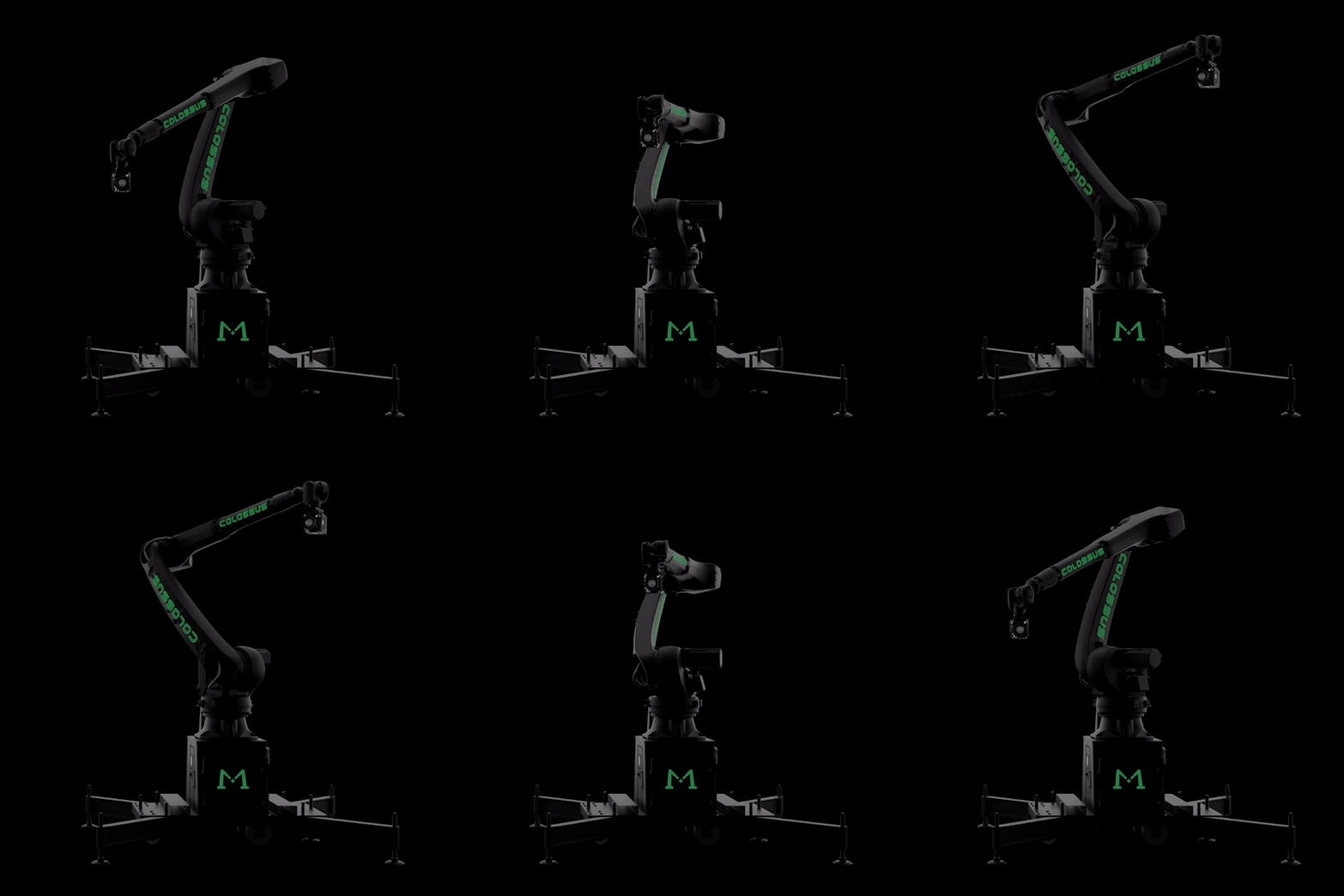
Motion control systems bring a new level of precision to product cinematography. From slow, sweeping camera movements to repeatable takes, these tools allow cinematographers to execute complex shots with consistency. For a director of photography in Los Angeles, motion control opens up creative possibilities that were previously out of reach.
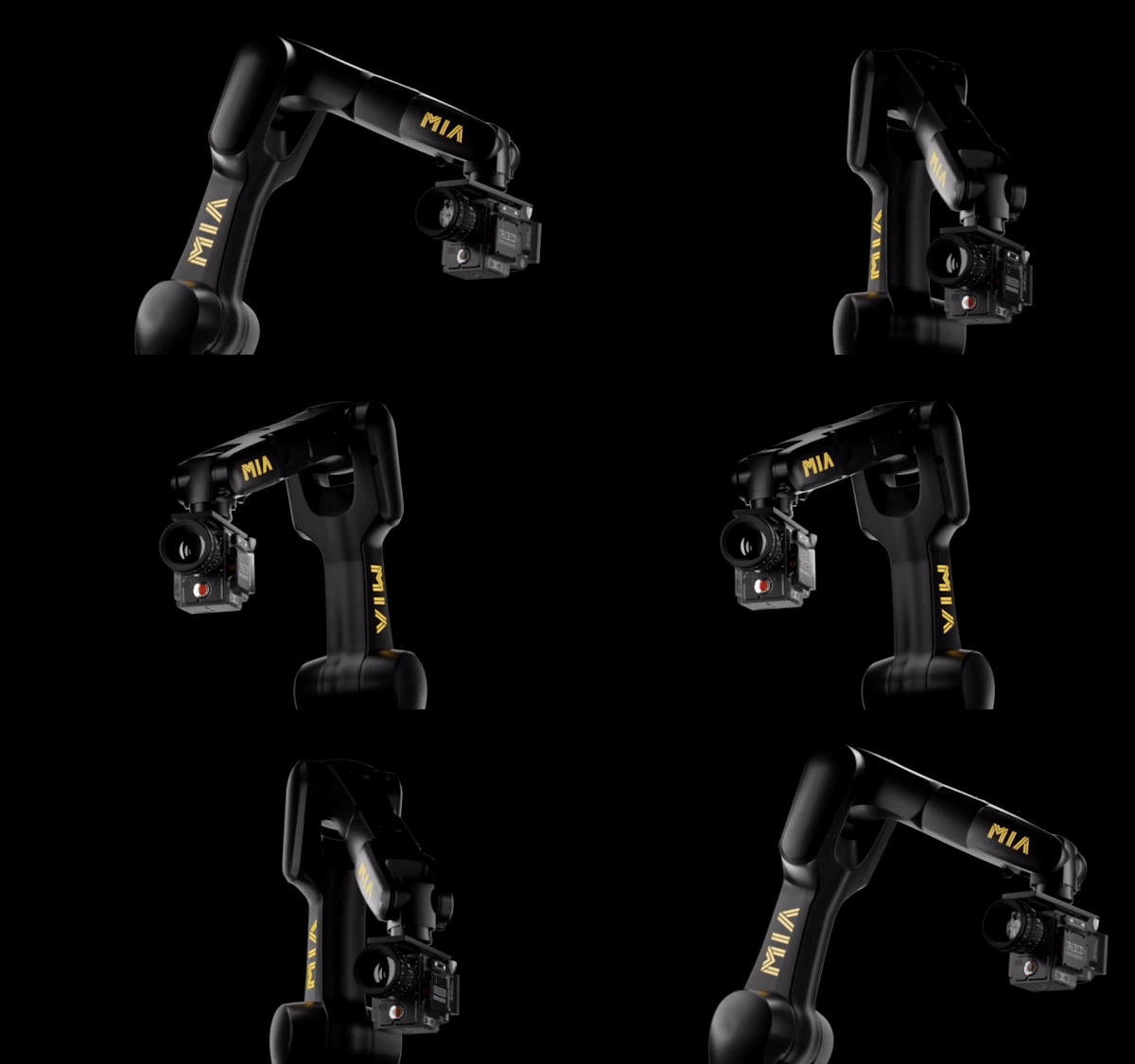
Slow Motion Photography and Dynamic Shots
The use of tools like the phantom slow motion camera allows for capturing dynamic and dramatic shots of products in motion. Slow-motion photography is particularly effective in showcasing the details of a product, whether it’s a splash of liquid or the movement of intricate machinery. These techniques are commonly used in commercial video production for high-impact results.
Tabletop Production and Its Challenges
Tabletop production requires precision and attention to detail. As a cinematographer and director, balancing lighting, motion, and framing is essential for creating visuals that highlight the product’s best features. With tools like motion control systems, tabletop videographers can achieve shots that are both technically accurate and visually striking.
The Role of Los Angeles Cinematographers in Innovation
Los Angeles cinematographers are at the forefront of product cinematography and motion control innovation. With access to advanced tools and a hub of creative talent, the city continues to lead in commercial video production, setting new standards for the industry.
Why Motion Control Matters
Motion control has revolutionized the way cinematographers approach product shoots. It allows for greater precision, creativity, and efficiency, making it an essential tool for anyone working in commercial cinematography. Whether you’re capturing a tabletop production or crafting a cinematic campaign, motion control is the future of visual storytelling.
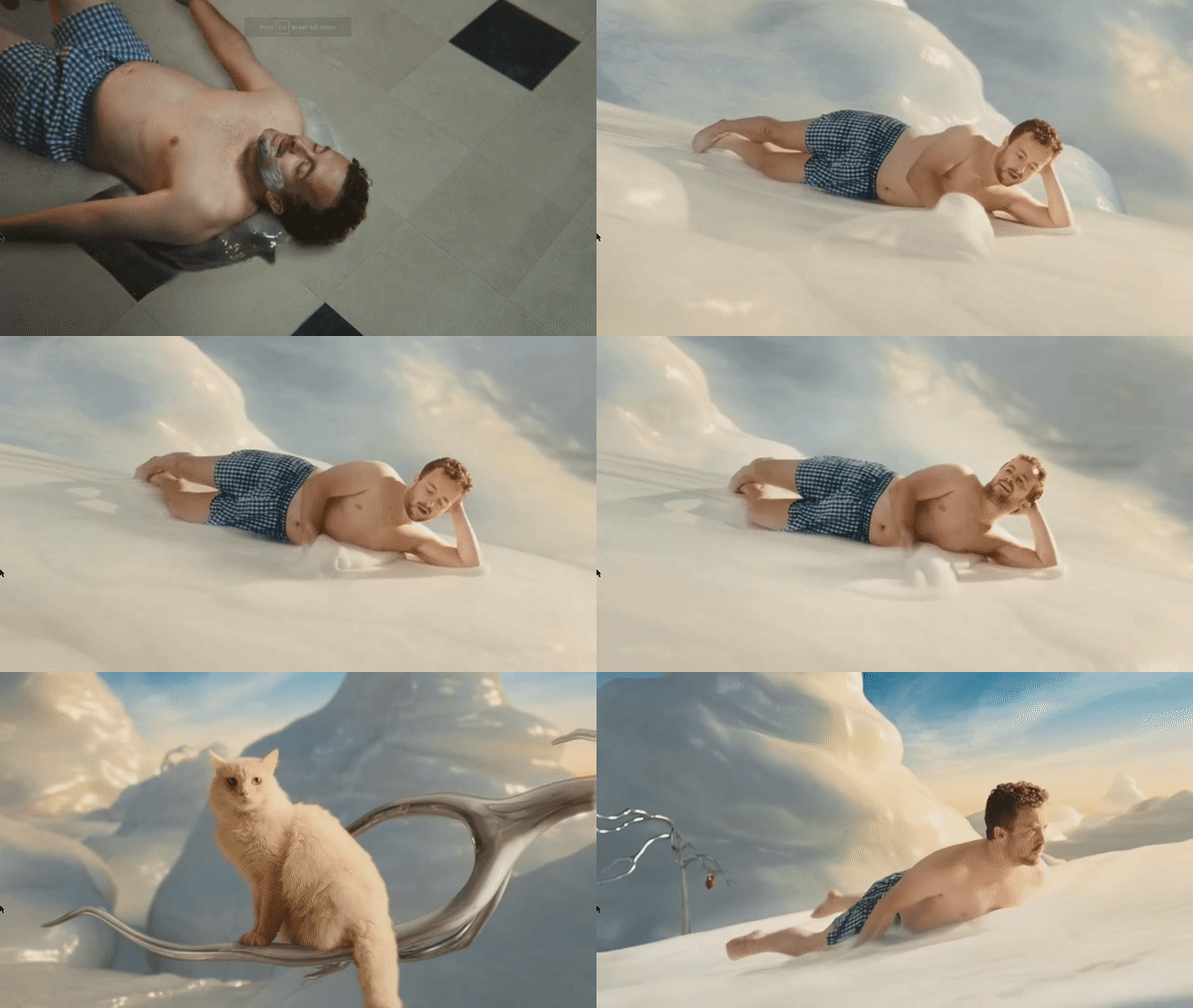
Elevating Beauty Product Cinematography: Creating Cinematic Stories for Cosmetics
Discover how beauty product videography and commercial cinematography combine to create impactful visuals for cosmetics brands and advertising campaigns.
Beauty product cinematography is all about precision, creativity, and visual storytelling. As a director of photography in Los Angeles, capturing the essence of beauty products for advertising campaigns is both a technical and artistic challenge. From showcasing the shimmer of a highlighter to the flow of a cream, every detail matters.
The Role of a Beauty Product Videographer
A beauty product videographer specializes in creating cinematic visuals that enhance the appeal of a product. Whether it’s a close-up of a lipstick or the glow of a skincare serum, the goal is to highlight the product’s features in a way that feels luxurious and aspirational. As a cinematographer and director, the focus is on building a narrative that resonates with the target audience.
Lighting and Motion for Cinematic Impact
Lighting is crucial in beauty product videography. A beauty product cinematic video relies on soft, diffused lighting to create a polished and professional look. Motion is another key element, as slow-motion photography can emphasize the elegance and flow of a product. Tools like the phantom slow motion camera are essential for capturing these fine details.

Commercial Cinematography for Cosmetics
In the competitive world of cosmetics commercial video production, standing out is key. Commercial cinematographers in Los Angeles often work with motion control systems and advanced technology to achieve precision and consistency in their shots. This is especially important in tabletop production, where every movement must be carefully executed.
Why Beauty Product Videography Matters
Beauty product videography is about more than just showing a product; it’s about creating a connection between the viewer and the brand. With the right mix of lighting, motion, and storytelling, cinematographers in Los Angeles are helping brands elevate their advertising campaigns to new heights.
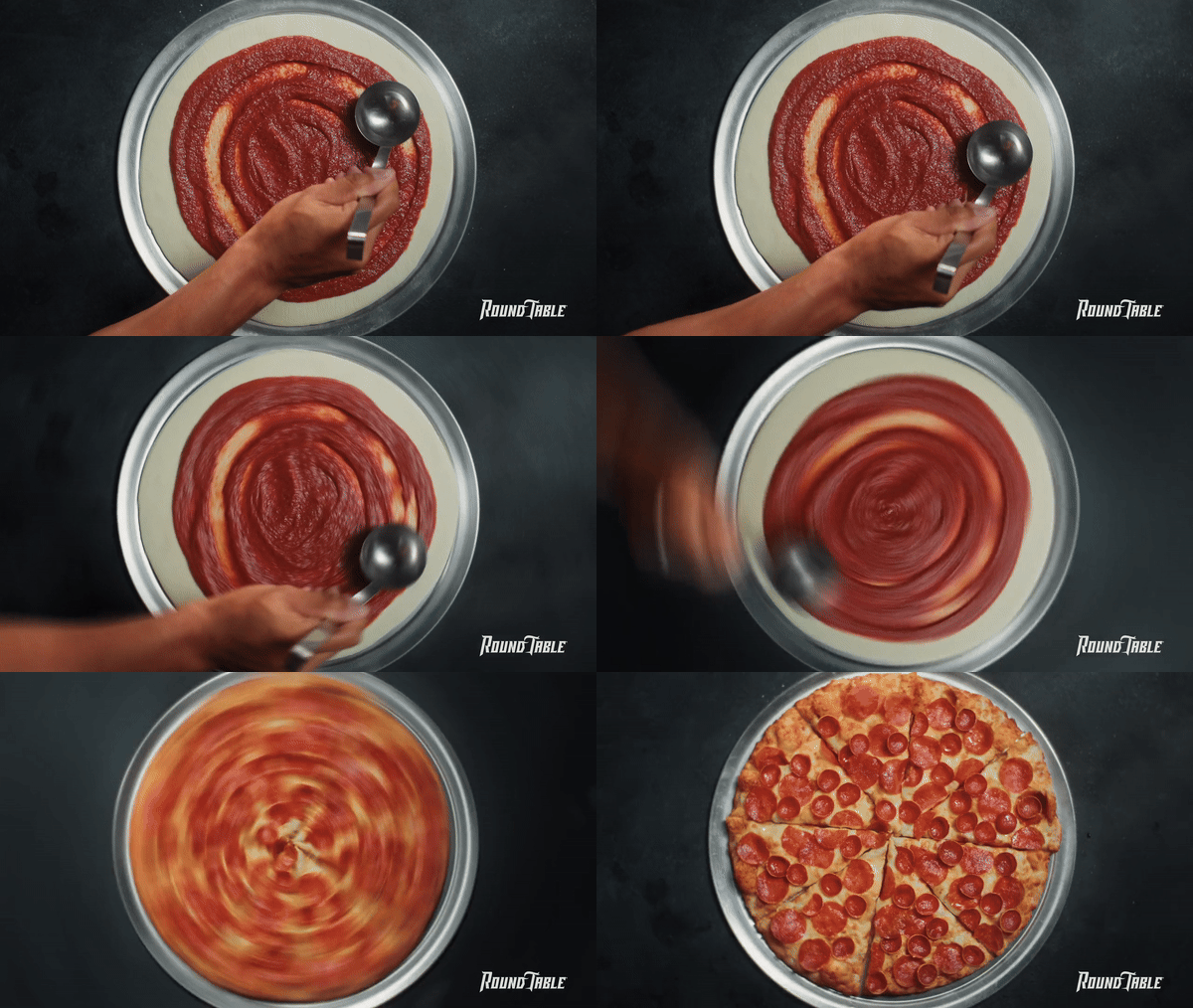
The Art of Beverage and Food Cinematography
In commercial food videography and video production for beverages, every shot must evoke taste, texture, and desire, captivating audiences in seconds.
In the world of commercial video production, food and beverage cinematography is an art form that requires precision and creativity. As a beverage director of photography or a food cinematographer, the goal is to create visuals that evoke taste, texture, and desire, compelling the audience to connect emotionally with the product.
The Role of a Food and Beverage Director of Photography
A food and beverage director of photography understands that every product has a story to tell. From the fizz of a beverage to the steam rising from a freshly baked dish, the right shot can bring a product to life. As a cinematographer and director, balancing technical expertise with creativity ensures the final visual not only looks appealing but connects with viewers on a sensory level.

Techniques for Capturing Perfect Shots
When working in beverage and food cinematography, the choice of tools matters. High-speed cameras such as the phantom video camera are often used to capture precise moments, like a splash of wine or a sauce drizzle in slow motion. Slow-motion photography adds depth and drama, making ordinary movements extraordinary. Combined with lighting and motion control, these techniques ensure that each shot captures the product at its best.
Cinematography in Los Angeles and Beyond
For a cinematographer in Los Angeles, the opportunities in food and beverage cinematography are vast. From commercial food video production to beverage tabletop director projects, Los Angeles is a hub for creativity and technical innovation. Being a Los Angeles cinematographer means staying at the forefront of technology while crafting visuals that stand out in a competitive industry.
The Future of Food and Beverage Video Production
With the rise of food and beverage video production, the demand for skilled cinematographers and directors has never been higher. Whether working on a tabletop production or a large-scale campaign, the goal remains the same: create visuals that inspire, tempt, and resonate with audiences.
Food and beverage cinematography demands an artistic eye and technical expertise. As a Los Angeles Director of Photography (DP), I specialize in creating visuals that showcase the appeal of food and beverages through dynamic techniques. In commercial food videography and video production for beverages, every shot must evoke taste, texture, and desire, captivating audiences in seconds.

Elevating Food and Beverage Cinematography with Precision and Creativity
In commercial food videography and video production for beverages, every shot must evoke taste, texture, and desire, captivating audiences in seconds.
The Role of a Food and Beverage Director of Photography
Food and beverage cinematography demands an artistic eye and technical expertise. As a Los Angeles Director of Photography (DP), I specialize in creating visuals that showcase the appeal of food and beverages through dynamic techniques. In commercial food videography and video production for beverages, every shot must evoke taste, texture, and desire, captivating audiences in seconds.
Phantom Slow Motion Camera: A Game-Changer for Food and Beverage
In food cinematography and beverage tabletop director work, the Phantom slow motion camera is one of my go-to tools. It allows me to capture moments like a sauce drizzle, a splash of a drink, or steam rising from a dish with stunning clarity. The Phantom video camera freezes time, turning everyday movements into visual storytelling magic. From fast-paced pours to perfect droplets, slow motion photography adds a cinematic edge to any commercial food video production.
Tabletop Production: The Power of Precision
For tabletop videography, precision is key. As a tabletop director of photography, I combine tools like motion control rentals and Phantom slow motion cameras to achieve smooth, repeatable movements for food and beverage shots. Whether I’m working on beverage photography in Los Angeles or food cinematography, tabletop production requires intricate planning, lighting, and motion design to bring every frame to life.
Cinematography in Los Angeles: A Competitive Edge
Los Angeles is a hub for cinematographers and commercial directors. To stand out as a cinematographer and director in such a competitive market, my focus is on delivering creative, high-quality commercial cinematography that pushes boundaries. Collaborating with brands for video production for beverages and food has allowed me to craft visuals that not only sell products but tell compelling visual stories.
Conclusion
From slow mo cameras to tabletop precision, food and beverage cinematography is about capturing moments that engage the senses. As a DP in film production and cinematographer in Los Angeles, I bring creativity, precision, and a passion for storytelling to every frame. Whether you’re producing a commercial food video production or a high-energy video production for beverages, I’m here to create visuals that make audiences crave more.
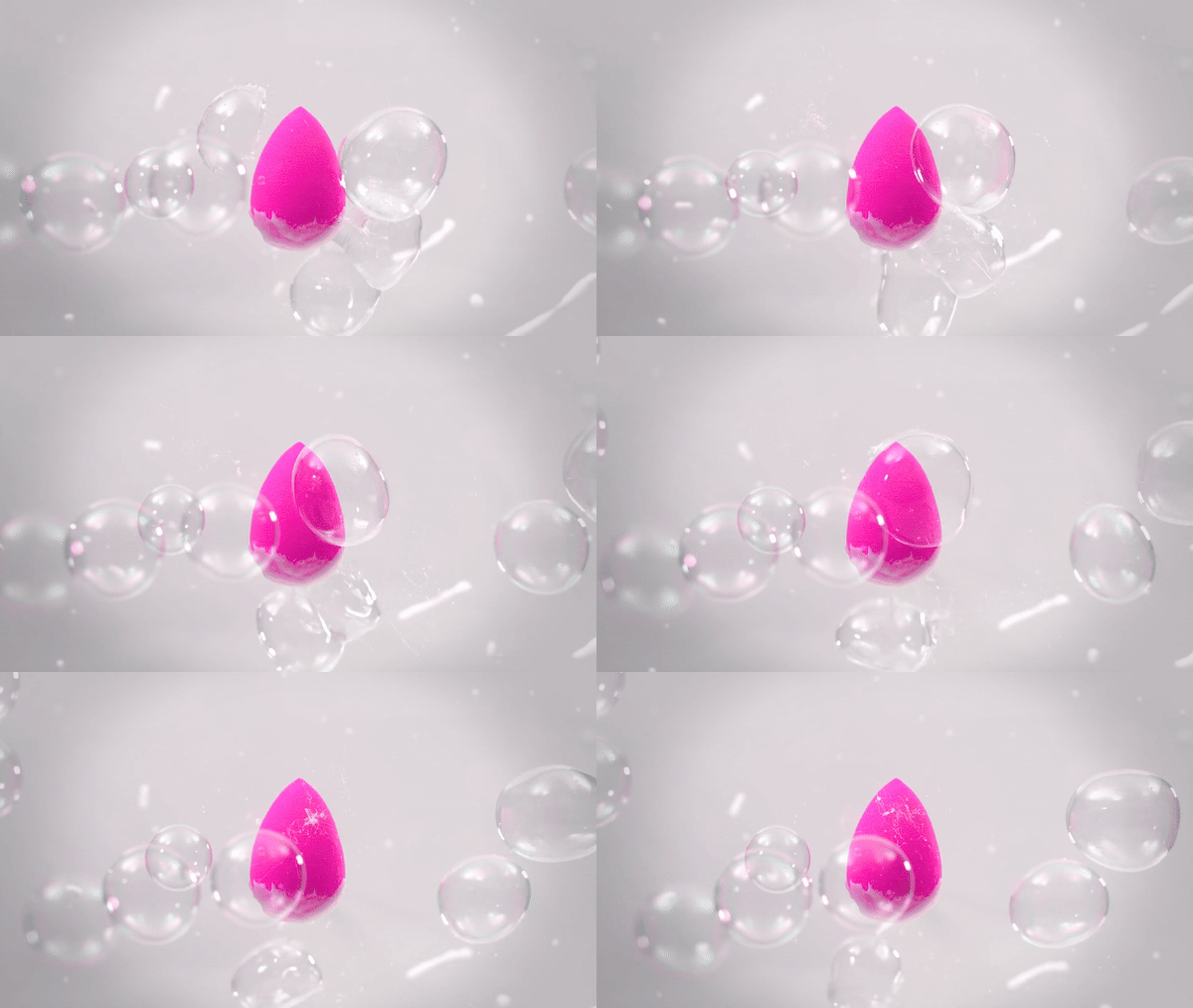
Beauty and Product Cinematography: Crafting Captivating Commercial Visuals
As a director of photography in Los Angeles, I specialize in producing cosmetics commercial videos that highlight the details of beauty products, from the shimmer of a makeup palette to the perfect glow of skincare cream.
The Cinematic Touch for Beauty and Product Commercials
Creating stunning beauty product cinematic videos requires a seamless blend of art, technology, and storytelling. As a director of photography in Los Angeles, I specialize in producing cosmetics commercial videos that highlight the details of beauty products, from the shimmer of a makeup palette to the perfect glow of skincare cream. By combining creative lighting and technical precision, beauty product videography comes to life in ways that captivate audiences.

Phantom Slow Motion for Beauty Products
The Phantom camera slow motion capabilities play a significant role in commercial product cinematography. In beauty product campaigns, slow motion photography helps showcase texture, movement, and elegance. Whether it’s a droplet of foundation hitting a surface or a brush sweeping across a palette, the Phantom slow mo camera freezes these subtle moments in time.
Los Angeles DP: Leading Commercial Cinematography
As a Los Angeles DP and commercial product director in Los Angeles, I have collaborated with leading brands to produce high-quality commercial cinematography. My role as a cinematographer director is to bring precision and creativity to tabletop production for beauty and product campaigns. Motion control rentals and carefully planned setups allow for consistent, cinematic visuals that resonate with target audiences.
Tabletop and Product Videography
In tabletop videography, every detail matters. As a DP director, I focus on creating flawless movement and lighting setups to ensure the product shines. Whether shooting a beauty product commercial video or a luxury brand showcase, I approach every frame with the intent to elevate the product’s appeal. My expertise as a director and cinematographer helps clients achieve visuals that are both dynamic and elegant.
Collaborating in Video Production Los Angeles
The city of Los Angeles remains a creative hub for commercial cinematography. As a Los Angeles cinematographer, I combine my technical skills with artistic storytelling to bring brands’ visions to life. Whether it's for cosmetics commercial videos, beauty product cinematic video, or product reveals, I ensure every detail aligns with the brand’s goals.

Conclusion
Capturing beauty and product campaigns requires precision, creativity, and the right tools. As a cinematographer in Los Angeles, I use techniques like slow motion photography and motion control to deliver cinematic visuals that stand out. Whether it’s a beauty product videography project or a high-end product shoot, I bring expertise and innovation to every set.

How Motion Control Cinematography is Revolutionizing Product and Tabletop Shoots
The introduction of motion control cinematography has been a game-changer for product cinematography and tabletop cinematography DP work.
The introduction of motion control cinematography has been a game-changer for product cinematography and tabletop cinematography DP work. By enabling precise and repeatable camera movements, this technology has opened up new creative possibilities for commercial cinematographers looking to elevate their projects.
Motion Control in Tabletop Cinematography
For a food cinematography specialist or a beverage cinematographer, the challenge often lies in capturing dynamic shots of liquids, textures, and motion in a controlled environment. Motion control cinematography allows a freelance Director of Photography to execute complex movements like slow pans, tilts, and tracking shots with pinpoint accuracy. For example, in high-speed cinematography, a robotic arm can perfectly time a splash or a liquid pour, ensuring that every drop is visually stunning.

Enhancing Commercial Video Production
In commercial cinematography, motion control brings products to life in ways that manual setups simply can’t achieve. From showcasing a glowing smartphone in a sleek ad to spinning a burger for a food cinematography campaign, robotic rigs provide unmatched precision. This technology is especially transformative in creative video production, where complex movements can help brands stand out in competitive markets. A Director of Photography in Los Angeles might use motion control to elevate their advertising video by creating highly stylized and consistent visuals.
Expanding the Role of the Cinematographer
For any cinematographer, adapting to emerging tools is essential for staying competitive. While traditional techniques will always have their place, embracing robotic cinematography services allows a film cinematographer to explore creative freedom with a level of control that was once unimaginable. Motion control cinematography also enables seamless integration with VFX, allowing for layered, futuristic visuals in both TV promo cinematography and high-end commercials.
By blending technical innovation with creative storytelling, motion control cinematography has become a critical tool for any DP striving to push the boundaries of visual storytelling. Whether it’s used for beverage cinematographer projects, product cinematography, or larger-scale TV promos, this technology exemplifies the future of cinematography.
Some additional resources:
"What is Motion Control in Cinematography?"
https://www.studiobinder.com/blog/motion-control-cinematography/
A detailed explanation of motion control systems and how they’re used in filmmaking."How Motion Control is Changing Tabletop Filmmaking"
https://focuspulleratwork.com/blog/motion-control-in-tabletop-filmmaking
A specialized post highlighting the benefits of robotic motion control for tabletop shoots."Behind the Scenes of High-Speed Motion Control Cinematography"
https://www.filmmakersacademy.com/high-speed-motion-control/
An in-depth look at the integration of robotics with high-speed cinematography.

Why Cinematic Lighting is the Foundation of Stunning Visual Storytelling
When it comes to filmmaking and advertising, cinematic lighting is often overlooked by casual viewers but is one of the most important elements a Director of Photography (DP) uses to tell a compelling story.
When it comes to filmmaking and advertising, cinematic lighting is often overlooked by casual viewers but is one of the most important elements a Director of Photography (DP) uses to tell a compelling story. Whether it’s in food cinematography, a dramatic film scene, or a TV promo, lighting creates mood, guides the audience’s focus, and highlights the subject in unique ways.
Crafting Visual Storytelling with Cinematic Lighting
As a cinematographer, your ability to manipulate light is one of the most valuable tools in creating impactful visuals. A freelance Director of Photography often tailors the lighting setup based on the tone of the project—soft diffused light for emotional storytelling or sharp high-contrast lighting for suspense. Proper lighting can make or break a commercial cinematographer’s ability to connect the viewer to the product or narrative. This is especially important in tabletop cinematography, where small changes in lighting can completely transform the visual appeal of food and beverage shoots.
Lighting in Commercial and Product Cinematography
In commercial cinematography, lighting is about precision. A food cinematography specialist might use backlighting to highlight steam rising from a dish or side lighting to bring out textures like the bubbles of a fizzy drink. For product cinematography, lighting can turn even the simplest objects into captivating visuals. The right lighting combined with motion control cinematography allows for dramatic, repeatable, and perfectly timed shots that grab the audience’s attention.
Key Takeaways for Directors and DPs
For any film cinematographer, cinematic lighting isn’t just about technical skills but also creativity. As a visual storytelling expert, it’s essential to adapt to different scenarios—from Los Angeles Director of Photography projects to smaller-scale advertising shoots. Incorporating robotic cinematography services and precise lighting techniques can elevate any production to stand out in a saturated content market.
Whether you’re working on a TV promo, beverage cinematographer projects, or creative video production, remember that lighting is the silent hero that breathes life into every shot.

I love these 3 resources that you should definitely check out too:
"The Importance of Lighting in Cinematography"
https://nofilmschool.com/importance-lighting-cinematography
A comprehensive guide from No Film School on how lighting shapes mood and storytelling."5 Cinematic Lighting Techniques Every Filmmaker Should Know"
https://premiumbeat.com/blog/cinematic-lighting-techniques/
Premium Beat shares practical tips on lighting techniques used in professional productions."Understanding Lighting Ratios in Film and Video"
https://www.masterclass.com/articles/lighting-ratio-in-filmmaking
A helpful article from MasterClass on how to create depth and focus with proper lighting ratios.

Cinematography for Food & Beverage: Bringing Flavors to Life on Screen
Food and beverage cinematography is a specialized art, designed to engage audiences by bringing the textures, colors, and flavors of food to life on screen. As a director of photography (DP) focused on food and beverage cinematography, the challenge is to make dishes look not only appetizing but irresistible. Whether for a commercial video production or an advertising video, the goal remains the same—capturing the essence of flavor in a way that leaps off the screen.
The Art of Lighting in Food and Beverage Cinematography
Lighting plays a crucial role in food and beverage cinematography. The way light hits a dish can completely change its visual appeal. A good director of photography knows how to manipulate light to emphasize the textures and colors of food. For example, side lighting can add depth to the image, making the food look more three-dimensional, while soft lighting can make liquids and sauces appear smoother and more appetizing. As a DP specializing in food and beverage cinematography, it’s important to experiment with different lighting techniques to create that mouthwatering look.
Camera Angles and Techniques
Choosing the right camera angles is essential in food and beverage cinematography. A close-up shot of a dish can make the audience feel like they can almost taste it, while a wide shot can help establish context or tell a broader story. Techniques like slow-motion and macro shots are often used in commercial video production to showcase details like the drip of a sauce or the fizz of a carbonated drink. As a food and beverage cinematographer, the goal is to create visuals that are so striking they leave a lasting impression on the viewer.
Capturing Movement and Texture
Movement is another key element in food and beverage cinematography. Whether it's the steam rising from a freshly baked dish or a splash of liquid hitting a glass, movement adds drama and appeal. In advertising videos, a director of photography may use high-speed cameras or robotic arms to capture precise and dynamic shots. This type of attention to detail is what separates a good food and beverage cinematographer from a great one.

Collaboration with Directors and Stylists
The success of any food and beverage commercial video production often comes down to teamwork. As a DP, working closely with the director, food stylists, and the rest of the crew ensures that everyone is aligned in capturing the essence of the product. By collaborating effectively, the entire team contributes to making the food or beverage look its best on screen, helping to drive the success of the advertising video.
In conclusion, food and beverage cinematography is a unique field that requires a combination of technical skills, creativity, and collaboration. Whether you're shooting for a commercial video production or an advertising video, the ultimate goal is to bring flavors to life, making audiences crave what they see on screen.

Evolving as a Cinematographer: How to Stay Ahead in a Changing Industry
The world of cinematography is constantly evolving. As a Director of Photography (DP), staying ahead of industry trends and technological advancements is crucial for success. Whether you're working on a feature film, a commercial video production, or an advertising video, adapting to changes is key to maintaining relevance and delivering exceptional visuals.
Embrace New Technology
As a cinematographer, staying on top of the latest equipment and tech is non-negotiable. From camera advancements to new lenses and lighting tools, the technology used in commercial video production is changing at a rapid pace. One of the major trends transforming the industry is the increasing use of motion control rigs and robotic arms. These tools allow the DP to execute precise and dynamic shots, perfect for advertising video and product cinematography. Incorporating this tech not only pushes creative boundaries but also helps you remain competitive in an ever-evolving field.
Continuous Learning
As a Director of Photography, you're never done learning. Whether it's mastering a new camera system, understanding the intricacies of drone cinematography, or learning post-production techniques, continuous education is essential. Attending workshops, following industry leaders, and experimenting with different visual styles will help you evolve as a cinematographer. Understanding the full production process, from pre- to post-production, ensures that you can collaborate more effectively with directors and producers on any project, be it a film or advertising video.
Collaboration and Adaptability
No matter how advanced the technology, the core of cinematography lies in collaboration. The ability to work closely with directors, producers, and other crew members is critical to achieving the desired vision. Every director has their own style, and as a DP, you need to adapt to different approaches and workflows. For instance, the tone and visual language of a commercial video production might differ greatly from a narrative film, and being able to switch between these modes is essential for long-term success.
Focus on Creativity and Storytelling
While technical expertise is important, a successful cinematographer never loses sight of the storytelling aspect. Ultimately, it's your creative vision that sets you apart. As a DP, knowing how to use light, composition, and movement to tell a story or sell a product is key to thriving in both film and advertising video production.
In an industry that's always changing, the most successful Director of Photography is one who embraces new tools, keeps learning, and remains adaptable—all while prioritizing creativity and storytelling. By following these principles, you can continue to evolve and stay ahead in the dynamic world of cinematography.

What Does a Cinematographer Do That a Director Doesn’t?
In the world of filmmaking, the roles of the director and cinematographer (also known as the Director of Photography or DP) are often misunderstood, with many assuming that both positions have overlapping duties. However, while both are essential to the production process, they have distinct responsibilities that work in harmony to bring a film, TV show, or commercial to life. Let’s dive into what a cinematographer does that a director doesn’t, and how these roles work together to ensure a successful shoot.
The Role of the Director: Visionary and Storyteller
The director is the primary visionary of a film. Their role revolves around translating the script into a visual and emotional journey for the audience. Directors make decisions about how scenes should be interpreted, how characters should be portrayed, and how the story should unfold on screen. They work closely with actors, guiding performances to align with the story’s emotional beats.
However, while directors oversee the overall vision, they rely on the expertise of their crew to execute specific aspects of the production. This is where the **Los Angeles DP** or cinematographer comes in.

The Role of the Cinematographer: The Visual Architect
A cinematographer is responsible for translating the director’s vision into visual reality. While the director focuses on the story and actors, the director of photography is concerned with how the story looks on screen. This includes choosing the right cameras, lenses, lighting setups, and camera gear to create the desired aesthetic.
1. Cameras and Lenses: The cinematographer decides which cameras and lenses are best suited for the project, considering factors like resolution, depth of field, and the overall look the director wants. Whether it’s the ARRI Alexa Mini LF for its cinematic quality or a Canon C300 Mark III for its versatility, the DP selects the tools that will best capture the desired imagery.
2. Lighting: Lighting is a crucial element in cinematography, as it sets the mood and tone of each scene. The cinematographer designs lighting setups that complement the story, whether it’s soft, diffused light for a romantic scene or harsh, dramatic lighting for a tense moment. They also consider how light interacts with the chosen camera and lenses, adjusting accordingly to achieve the best possible image.
3. Planning and Production: The DP is heavily involved in pre-production, working with the director to plan shots, angles, and camera movements. This planning ensures that everything on set runs smoothly and that the director’s vision is faithfully executed. The cinematographer also collaborates with other departments, such as the production designer and costume designer, to ensure visual consistency.
4. On-Set Responsibilities: During production, the cinematographer oversees the camera and lighting crews, ensuring that each shot is executed as planned. They make real-time adjustments to lighting, camera settings, and composition to capture the best possible footage. The DP also works closely with the director to make sure that each shot aligns with the overall vision.
Bringing It All Together
While the director and cinematographer have different focuses on set, their collaboration is essential to the success of a project. The director relies on the Los Angeles DP to bring their vision to life, trusting the DP’s technical expertise and creative instincts to create the perfect look for the film. This division of roles allows the director to concentrate on storytelling while the cinematographer ensures that the visual elements enhance and elevate the narrative.
In conclusion, while the director and cinematographer have distinct roles, their collaboration is what brings a film together. By working in harmony, they create a seamless blend of story and visuals, resulting in a film that resonates with audiences on multiple levels. Whether you’re watching a feature film, a commercial, or a TV show, the combined efforts of the director and director of photography are what make the magic happen on screen.
The Technical Side of Cinematography: Exploring Drew Lauer's Strategic Choices for Campaign Success
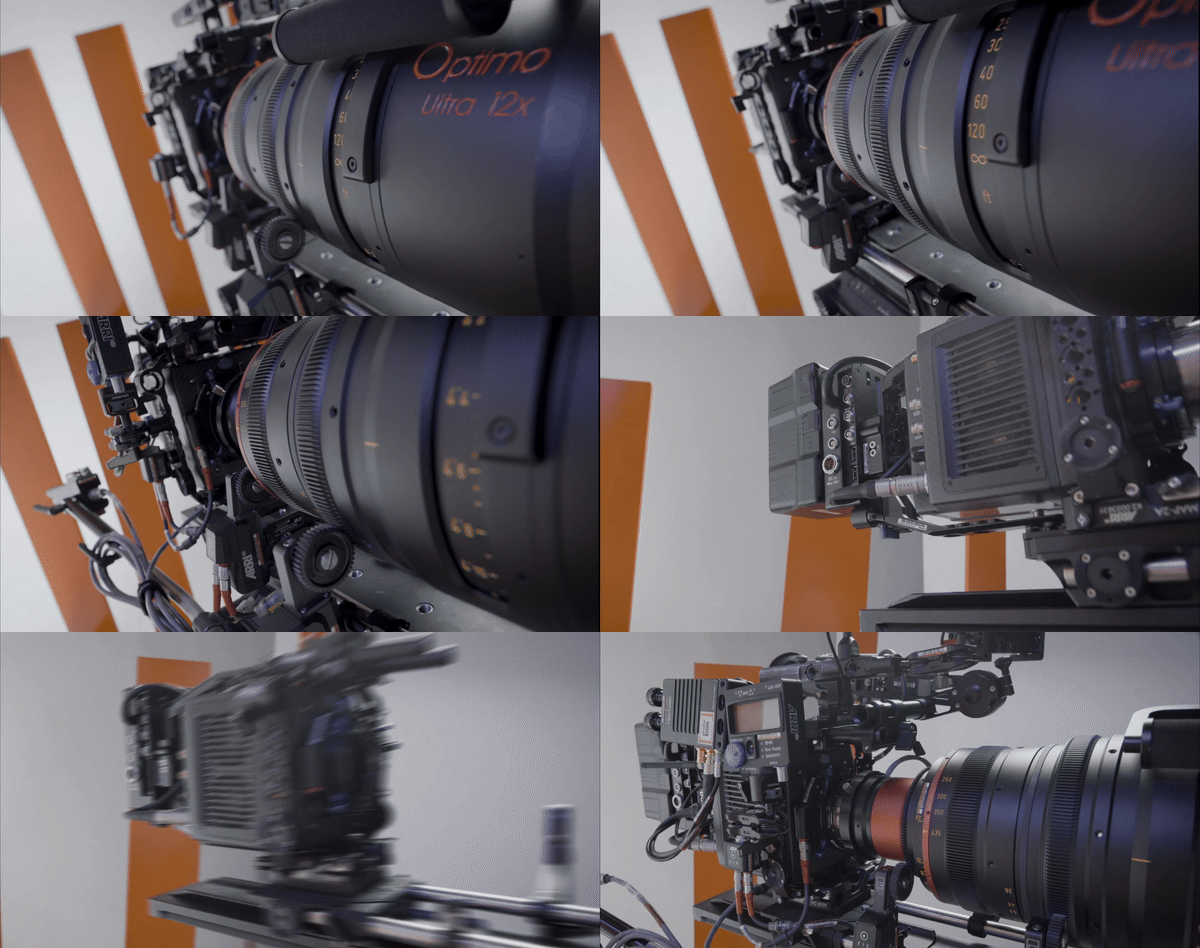
In the world of cinematography, technical decisions can make or break a campaign's success. As a seasoned cinematographer with years of experience, I understand the importance of strategic choices in achieving cinematic excellence. Let's delve into my approach to the technical aspects of cinematography and how it contributes to campaign success.
1. Camera Selection: The Foundation of Cinematic Vision
As a cinematographer, I carefully select the right camera for each project, considering factors such as resolution, frame rate, and sensor size. My expertise in camera technology allow me to capture stunning visuals that align with the campaign's aesthetic and storytelling goals. Whether shooting on traditional cinema cameras or the latest digital models, I try to ensure that every frame meets the highest standards of quality and craftsmanship.

2. Lighting Mastery: Illuminating the Narrative
Lighting is a fundamental element of cinematography, shaping mood, atmosphere, and visual composition. My strategic approach to lighting involves careful consideration of color temperature, intensity, and direction to enhance storytelling and evoke emotion. Whether crafting dramatic shadows for a suspenseful scene or bathing subjects in soft, flattering light for a romantic moment, my lighting choices are integral to the campaign's success.
3. Equipment Essentials: Tools of the Trade
In addition to cameras and lighting, I have to rely on a range of equipment to bring his creative vision to life. From stabilizers and gimbals for smooth camera movement to specialized lenses and filters for achieving specific visual effects, my toolkit is meticulously curated to meet the unique needs of each project. My mastery with all the equipment allows me to overcome technical challenges and capture dynamic shots that captivate audiences.
4. Robot Settings Optimization: Precision in Motion
As technology advances, robotics play an increasingly important role in cinematography. I leverage robotic systems to achieve precise camera movements and dynamic shots that elevate the campaign's visual storytelling. By optimizing robot settings such as speed, acceleration, and trajectory, I ensure seamless integration of robotic motion into the cinematographic narrative, enhancing immersion and engagement.
Conclusion:
In the realm of cinematography, technical expertise is essential for achieving campaign success. my strategic choices in camera selection, lighting mastery, equipment essentials, and robot settings optimization exemplify a commitment to excellence in every aspect of the cinematic process. By understanding the technical side of cinematography and leveraging it to my advantage, I continue to push boundaries and deliver compelling visuals that resonate with audiences worldwide.
Cinematic Sips and Bites: How Technology is Revolutionizing Food and Beverage Cinematography
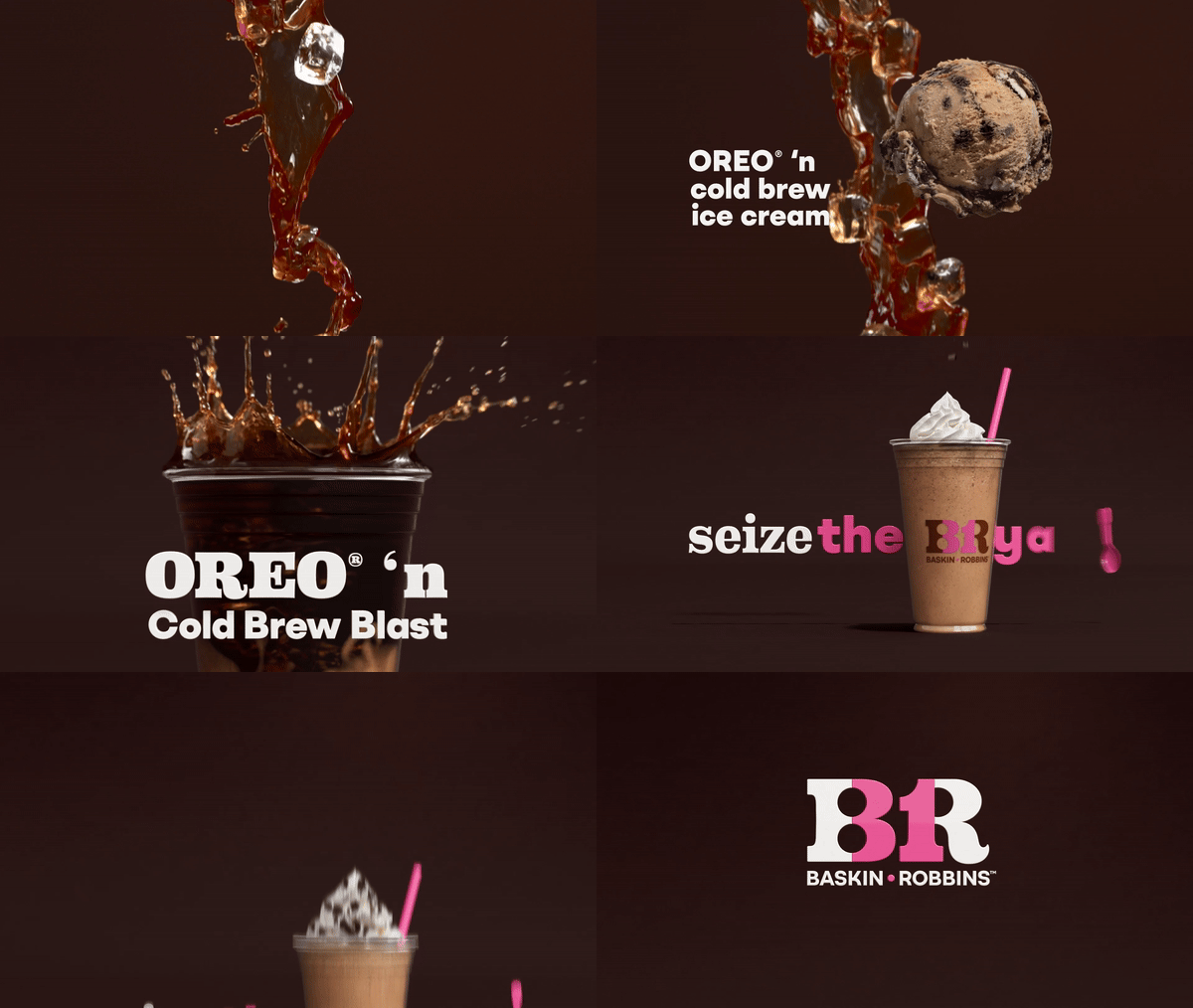
From high-resolution imaging to drone photography and lighting innovations, technology is reshaping the landscape of food and beverage cinematography.
Introduction:
In the world of food and beverage cinematography, the visual presentation of dishes and drinks is paramount. As technology continues to advance, it's transforming the way we capture and showcase these delectable creations on screen. From high-resolution cameras to innovative lighting techniques, let's explore how technology is revolutionizing food and beverage cinematography.
1. High-Resolution Imaging: Enhancing Visual Detail
With the rise of high-resolution cameras such as 4K and even 8K, cinematographers can capture the intricate details of food and beverages like never before. Every sprinkle of seasoning and bubble in a sparkling beverage is brought to life with stunning clarity. These advancements in imaging technology allow for greater flexibility in post-production, enabling cinematographers to manipulate colors, textures, and lighting to perfection.

2. Drone Photography: Elevated Perspectives
Drones have become indispensable tools in the world of cinematography, offering aerial perspectives that were once only possible with expensive equipment and extensive setup. In food and beverage cinematography, drones provide dynamic shots that showcase the setting and ambiance of a dining experience. Whether capturing sweeping views of a vineyard or soaring over a bustling cityscape, drones add a cinematic flair to food and beverage visuals.
3. Lighting Innovations: Setting the Mood
Lighting plays a crucial role in food and beverage cinematography, setting the mood and enhancing the visual appeal of dishes and drinks. With advancements in LED technology, cinematographers have access to a wide range of lighting options that can mimic natural sunlight or create dramatic effects. From soft, diffused lighting for intimate dining scenes to bold, colorful lighting for vibrant cocktail shots, modern lighting innovations allow for unparalleled creativity and control.

4. Augmented Reality: Interactive Experiences
As technology continues to evolve, augmented reality (AR) is emerging as a powerful tool in food and beverage cinematography. By overlaying digital elements onto real-world footage, AR creates immersive and interactive experiences for viewers. Imagine watching a cooking show where virtual ingredients appear before your eyes, or exploring a virtual wine cellar to learn about different vintages. With AR, cinematographers can engage audiences in new and exciting ways, transforming passive viewing into active participation.
Conclusion:
From high-resolution imaging to drone photography and lighting innovations, technology is reshaping the landscape of food and beverage cinematography. As cinematographers continue to embrace these advancements, the possibilities for creating captivating visuals are limitless. By harnessing the power of technology, we can elevate the art of cinematic sips and bites to new heights, captivating audiences with mouthwatering visuals and immersive experiences.

How an MIA Robot Transforms Cinematic Storytelling
Enter Rosey, our trusty MIA robot, a game-changing addition to our filmmaking arsenal that has revolutionized the way we approach cinematography.
As a director of photography deeply entrenched in the world of visual storytelling, I'm always on the lookout for innovative tools that can elevate my craft. Enter Rosey, our trusty MIA robot, a game-changing addition to our filmmaking arsenal that has revolutionized the way we approach cinematography.
One of the most significant advantages of using Rosey is the unparalleled precision and control it offers over camera movements. With its robotic arms and advanced motion control technology, Rosey allows us to execute complex camera maneuvers with unmatched accuracy. Whether it's smooth tracking shots, intricate pans, or dynamic crane movements, Rosey enables us to achieve shots that were once considered impossible, pushing the boundaries of visual storytelling.
Moreover, Rosey's versatility knows no bounds. From capturing sweeping landscapes to intimate close-ups, Rosey adapts seamlessly to any filming environment, providing us with the flexibility to explore new creative avenues and tell richer, more immersive stories. Its ability to work in tight spaces and challenging conditions makes it an invaluable asset on set, allowing us to capture shots that would otherwise be unattainable.
But perhaps the most significant benefit of using Rosey is the freedom it affords us as storytellers. By automating repetitive camera movements and precise adjustments, Rosey streamlines our workflow, giving us more time to focus on crafting compelling narratives and capturing emotive performances. This newfound efficiency not only enhances the quality of our work but also allows us to experiment with different visual techniques and push the boundaries of cinematic storytelling.
In essence, Rosey is more than just a tool; it's a creative partner that empowers us to realize our vision and bring our cinematic dreams to life. With its precision, versatility, and efficiency, Rosey has become an indispensable asset in our quest to tell better visual stories and captivate audiences around the world. As we continue to explore the endless possibilities that Rosey offers, I'm excited to see how it will shape the future of cinematography and push the boundaries of visual storytelling even further. Through innovative tools like Rosey, the role of the director of photography and cinematographer is evolving, paving the way for a new era of cinematic excellence and creativity.

The Impact of Technology on Cinematography
From the rise of digital cameras to the advent of CGI and visual effects, these technological innovations have revolutionized the way we capture and manipulate images, opening up a world of creative possibilities.
As a cinematographer deeply immersed in the ever-evolving world of filmmaking, I've witnessed firsthand the profound impact that technology has had on our craft. From the rise of digital cameras to the advent of CGI and visual effects, these technological innovations have revolutionized the way we capture and manipulate images, opening up a world of creative possibilities.
Digital cinematography, in particular, has been a game-changer for cinematographers like myself. With the latest camera systems, we now have unprecedented control over every aspect of the image, from exposure and color grading to frame rates and resolution. This level of control not only enhances the quality of our work but also allows us to experiment with new techniques and styles, pushing the boundaries of visual storytelling.
Furthermore, the rise of CGI and visual effects has transformed the way we bring our creative visions to life on screen. Whether it's creating fantastical worlds or seamlessly blending real-life footage with computer-generated imagery, CGI has opened up endless possibilities for storytelling. As a director of photography, I've had the privilege of collaborating with talented visual effects artists to create immersive cinematic experiences that captivate audiences.

However, amidst all the technological advancements, it's important to remember that storytelling remains at the heart of our craft. While technology has undoubtedly enhanced our capabilities as cinematographers, it's the human touch and creative vision that ultimately define great cinematography. As such, I always strive to strike a balance between embracing new technologies and preserving the artistry and craftsmanship of traditional cinematography.
Looking ahead, I believe that the symbiotic relationship between technology and cinematography will continue to evolve, shaping the future of filmmaking in exciting and unforeseen ways. As filmmakers, it's our responsibility to embrace these advancements, harnessing the power of technology to push the boundaries of visual storytelling while staying true to our artistic vision.
In conclusion, the impact of technology on cinematography has been nothing short of transformative. From digital cameras to CGI, these technological innovations have reshaped the way we approach filmmaking, offering new tools and techniques to unleash our creativity. As we continue to navigate this technological landscape, I look forward to embracing the challenges and opportunities that lie ahead, pushing the boundaries of visual storytelling with every frame.


Ascending the Cinematic Ladder: A Journey from Camera Operator to Cinematographer to Director of Photography
This journey, from the grassroots role of a camera operator to the commanding heights of a director of photography (DP) and cinematographer, is a narrative of growth, learning, and a deepening connection with the art of visual storytelling.
Embarking on a career in the world of filmmaking often involves climbing a ladder of roles, each rung bringing new challenges, skills, and artistic revelations. This journey, from the grassroots role of a camera operator to the commanding heights of a director of photography (DP) and cinematographer, is a narrative of growth, learning, and a deepening connection with the art of visual storytelling.
The Foundations: Embracing the Lens as a Camera Operator
As a camera operator, the world unfolds through the lens of a camera. It's about mastering the technicalities, understanding the nuances of framing, and learning the language of visual storytelling. This initial role lays the foundation, where one learns to anticipate the director's vision and translate it into dynamic and compelling shots.
The Ascent: Embracing the Art as a Cinematographer
Transitioning from a camera operator to a cinematographer is a leap into the realms of artistry. The cinematographer, often known as the director of photography, becomes the custodian of the film's visual language. It's not just about operating the camera; it's about crafting the visual narrative. From lighting setups to choosing lenses, every decision contributes to the emotional impact of the story.
The Pinnacle: Guiding the Vision as a Director of Photography
Reaching the summit of this cinematic ascent, the director of photography becomes the guiding force behind the visual identity of a production. It's a role that demands not only technical prowess but a profound understanding of storytelling. The DP collaborates closely with directors, making strategic decisions about camera movement, lighting schemes, and visual motifs that elevate the narrative.
The Learning Curve: Continuous Evolution
The journey from camera operator to director of photography is a continuous learning curve. It involves adapting to new technologies, staying abreast of industry trends, and refining one's artistic sensibilities. Every project becomes an opportunity to experiment, innovate, and refine the craft further.

Balancing Act: Navigating Technical and Creative Realms
As a camera operator, the focus is primarily on the technical aspects of capturing shots. With the transition to cinematographer and, eventually, director of photography, there's a delicate balancing act between technical precision and creative expression. It's about harmonizing the logistics of a shoot with the desire to tell a visually compelling story.
Collaborative Symphony: Working with a Creative Ensemble
The journey from camera operator to director of photography also underscores the importance of collaboration. The DP collaborates not only with directors but with an ensemble of creative professionals, including production designers, costume artists, and lighting technicians. It's a symphony of talents working in unison to bring a vision to life.
Visionary Leadership: Shaping the Visual Narrative
Reaching the summit as a director of photography means assuming a position of visionary leadership. It involves not only executing a director's vision but also contributing a unique perspective that enhances the overall storytelling. The DP becomes a visual storyteller in their own right, shaping the emotional tone and aesthetic character of the film.
In conclusion, the journey from camera operator to cinematographer to director of photography is a transformative odyssey in the realm of filmmaking. It's a progression marked by technical mastery, artistic exploration, and a deepening understanding of the collaborative nature of cinematic storytelling. From capturing images to crafting visual narratives, this evolution is a testament to the power of continuous learning, artistic growth, and a passion for the art of filmmaking.