The Role of the Director of Photography in Motion-Control-Driven Productions
Motion control has changed how commercial productions are executed—but more importantly, it has changed what’s expected of a director of photography.
In 2026, being a DP on motion-control-driven projects is no longer just about lighting and camera operation. It’s about systems thinking, previsualization, collaboration with robotics, and designing shots for post-production from the very beginning.
This blog breaks down how the DP’s role has evolved, what skills matter most now, and why motion control has pushed cinematography into a more intentional, design-forward discipline.

The DP Is No Longer Just “Behind the Camera”
Traditionally, the DP’s responsibilities centered on:
Lighting design
Camera choice and lensing
Exposure and color
Camera movement execution
Motion control expands that role.
On motion-control productions, the DP becomes:
A movement designer
A technical translator between creative and robotics
A strategist for post-production success
A collaborator across departments, not a silo
The camera move isn’t discovered on set—it’s engineered.
Previsualization Is Now a Core DP Skill
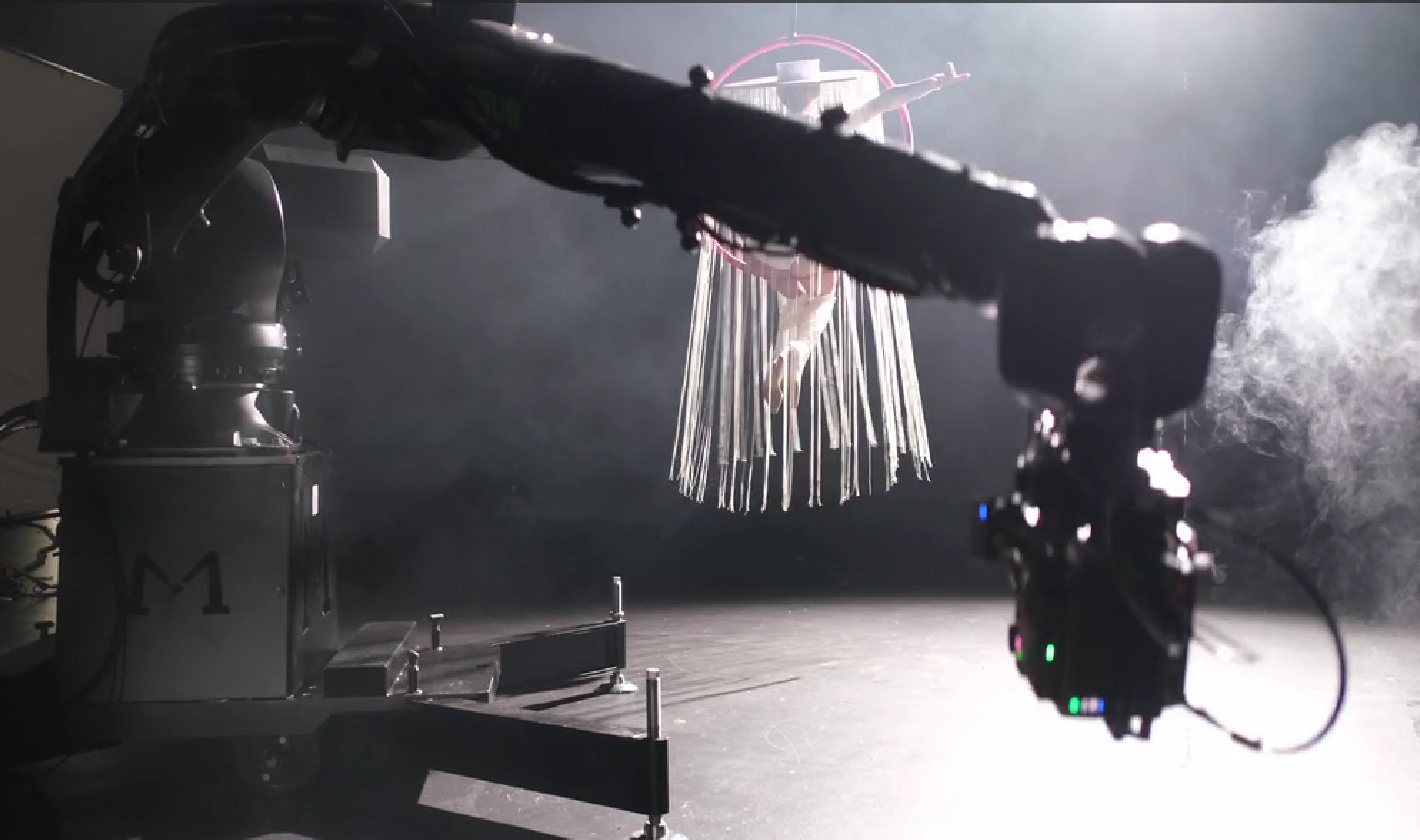
Motion control shifts work upstream.
Instead of solving problems live on set, the DP must:
Previsualize camera paths
Understand timing and acceleration curves
Anticipate how movement affects lighting and reflections
Design shots that hold up in post
In 2026, a DP who can’t think ahead struggles in motion-control environments.
The strongest DPs arrive on set with:
Clear shot logic
Movement intent
A plan for iteration—not improvisation
Designing Shots for Post, Not Just for Camera
One of the biggest mindset shifts motion control demands is this:
The shot doesn’t end when the camera stops rolling.
As a DP, you’re now designing for:
Clean plates
Multiple passes
Compositing flexibility
Retiming and reframing
Motion control makes this possible—but only if the DP plans for it.
This means:
Locking camera paths early
Controlling lighting consistency
Thinking about layers, not just frames
Cinematography becomes modular.
Lighting Becomes More Intentional—Not More Complicated
Motion control doesn’t make lighting harder—but it makes sloppy lighting obvious.
Because the camera movement is identical every time:
Reflections repeat
Highlights track precisely
Mistakes are magnified
For the DP, this means:
Lighting must be purposeful
Adjustments are deliberate, not reactive
Small tweaks have predictable outcomes
This level of control allows lighting to be refined to a degree that traditional movement often can’t support.
The DP as a Technical Leader on Set
Motion-control-driven productions require tighter coordination.
The DP often becomes the connective tissue between:
Robotics operators
Camera assistants
Lighting teams
VFX and post supervisors
Clear communication matters more than ever.
A DP who understands:
How robotic movement affects exposure
How timing impacts lighting
How post will use the footage
…becomes invaluable to the production.
Why This Matters in Commercial Cinematography
Commercial cinematography lives under pressure:
Tight timelines
Client approvals
Multiple deliverables
Zero tolerance for surprises
Motion control rewards DPs who bring clarity and structure.
That’s why agencies increasingly trust DPs who:
Can explain why a move works
Can justify technical decisions creatively
Can protect the schedule and the vision
In competitive markets like Los Angeles, this combination is no longer rare—it’s required.
The DP’s Relationship With Robotics
Motion control doesn’t replace the DP’s intuition—it extends it.
The relationship works best when:
The DP understands robotic limitations
The operator understands creative intent
Both speak a shared technical language
When that alignment exists, motion control becomes invisible—and the image becomes everything.
Hybrid Productions Still Need Strong DPs
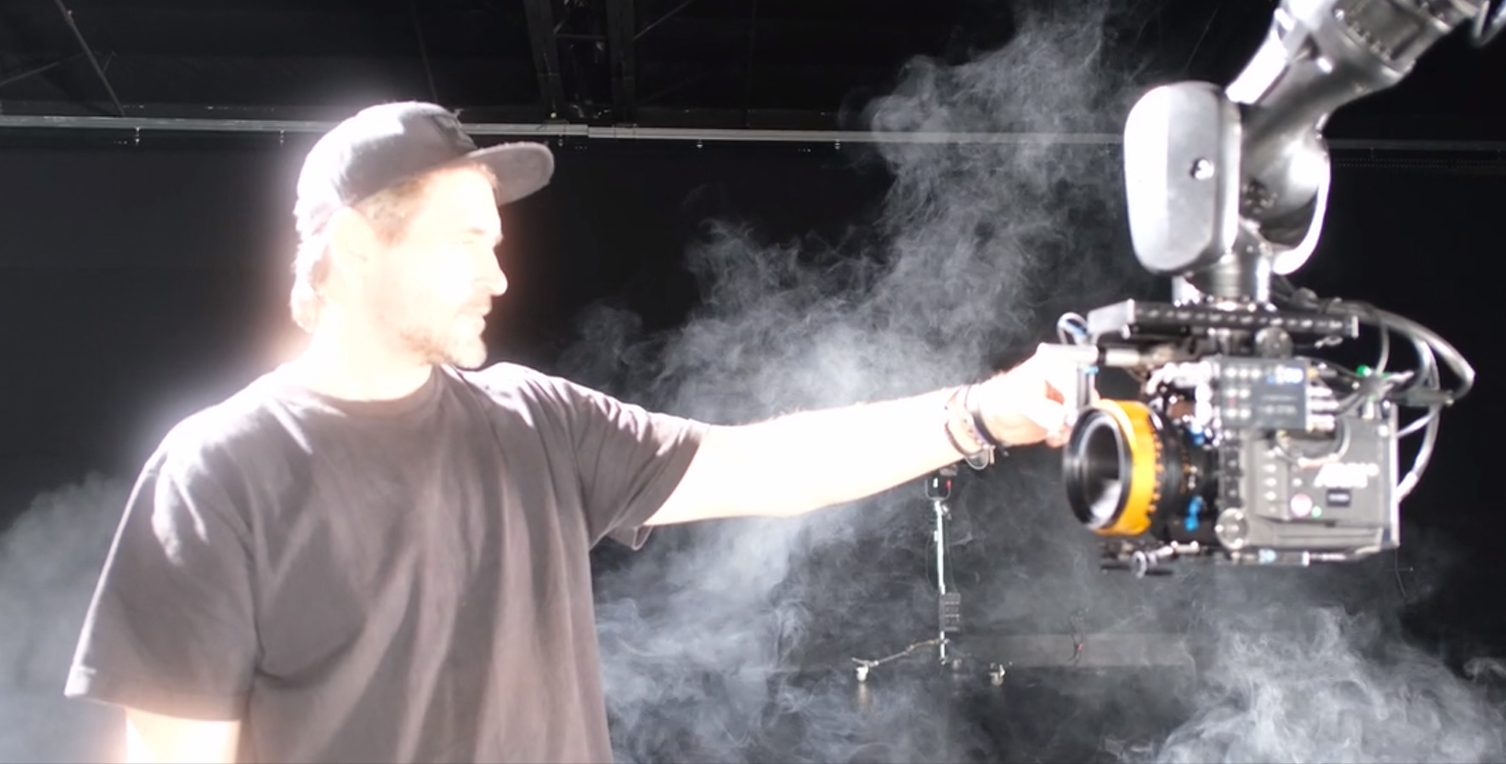
Even on hybrid shoots—where motion control is used alongside traditional movement—the DP’s expanded role remains.
They must decide:
Which shots need precision
Which benefit from organic movement
How both styles coexist visually
The DP becomes the guardian of cohesion.
Motion Control Is Raising the Bar for Cinematography
The biggest change motion control has introduced isn’t technology—it’s expectation.
Clients now expect:
Intentional movement
Consistent visuals
Thoughtful execution
Fewer compromises
This pushes DPs to be more prepared, more technical, and more strategic.
And that’s not a limitation—it’s an evolution.
Final Thoughts
In 2026, the director of photography is no longer just capturing images.
They are:
Designing motion
Engineering consistency
Anticipating post-production
Leading across disciplines
Motion control hasn’t reduced the DP’s creative role—it’s expanded it.
Precision doesn’t replace artistry.
It gives it structure.
And for modern commercial cinematography, that structure is what allows creativity to scale.