Commercial Cinematography in 2026: What Clients Actually Expect Now
Commercial cinematography in 2026 looks polished on the surface—but underneath, expectations have shifted dramatically. Clients aren’t just buying beautiful images anymore. They’re buying clarity, scalability, and confidence.
From agencies to in-house brand teams, the question has changed from “Can you shoot this?” to “Can this shoot support everything we need?”
This blog breaks down what clients actually expect from commercial cinematography today—and why meeting those expectations requires more than technical skill.
Clients Expect Cinematography to Be Strategic, Not Just Aesthetic
Beautiful images are assumed. They’re no longer the differentiator.
In 2026, clients expect commercial cinematography to:
Align with brand strategy
Support marketing objectives
Translate across platforms
Hold up long after launch
Cinematography is judged by how well it performs, not just how it looks on set.
Consistency Across Deliverables Is Non-Negotiable
Most commercial projects no longer produce a single hero film.
Clients expect:
Horizontal and vertical versions
Short and long cuts
Paid ad variants
Website and e-commerce assets
That means cinematography must be designed to survive:
Cropping
Reframing
Retiming
Repurposing
Motion control, locked camera language, and intentional shot design all support this expectation—but only when planned from the start.
Clients Expect Fewer Surprises, Not More Experimentation
Creativity still matters—but unpredictability doesn’t.
In modern commercial environments, clients value:
Predictable execution
Confident technical decisions
Fewer “we’ll fix it in post” moments
This is especially true in agency-driven workflows, where approvals move fast and tolerance for risk is low.
Cinematography that feels controlled builds trust.
Post-Production Is No Longer an Afterthought
Clients now think in pipelines, not phases.
They expect cinematography that:
Supports compositing and VFX
Allows for clean plates and alternates
Simplifies editing and finishing
Reduces post-production friction
Shots designed without post in mind often cost more later—even if they looked great on set.
In 2026, strong commercial cinematography anticipates post from frame one.
Clients Expect DPs to Speak the Language of Marketing
Technical fluency alone isn’t enough.
Clients increasingly expect directors of photography to understand:
Where the content will live
How it will be consumed
What metrics define success
Why certain shots matter more than others
This doesn’t mean becoming a marketer—it means being aware of the ecosystem your images exist within.
That awareness is now part of the value proposition.
Premium Doesn’t Mean Overproduced
One of the biggest shifts in 2026 is restraint.
Clients want cinematography that feels:
Confident
Clean
Intentional
Brand-appropriate
Not everything needs maximal movement, extreme lighting, or visual noise.
Premium work often feels simple—because it’s been thought through deeply.
Reliability Has Become a Creative Advantage
Clients don’t just remember how a shoot looked.
They remember how it felt.
Cinematographers who are:
Prepared
Decisive
Calm under pressure
Clear in communication
…get hired again.
In competitive markets like Los Angeles, reliability is often the deciding factor between equally talented crews.
Clients Expect Technology to Serve the Idea
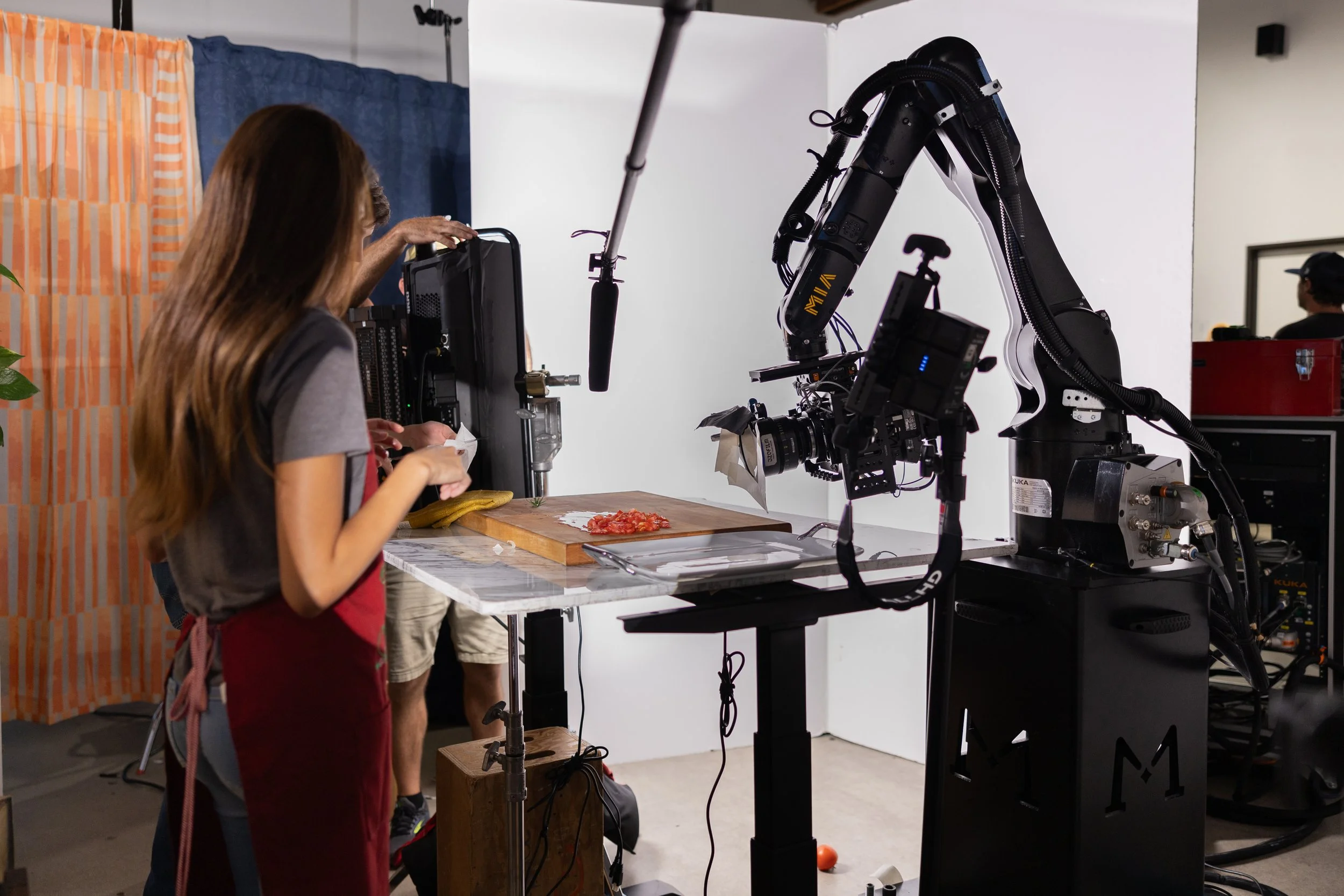
Motion control, robotics, high-speed cameras, virtual production—clients are aware of the tools.
But they don’t want tools for their own sake.
They expect:
Technology used intentionally
Clear reasoning behind choices
No unnecessary complexity
A focus on outcomes, not gear
The best commercial cinematography makes technology invisible.

Speed and Efficiency Matter More Than Ever
Timelines are tighter. Budgets are scrutinized.
Clients expect cinematography that:
Moves efficiently
Maximizes shoot days
Delivers usable coverage
Avoids waste
Efficiency isn’t the enemy of creativity—it protects it.
When time is respected, decisions improve.
What Clients Really Want in 2026
When you strip it all down, clients want commercial cinematography that delivers:
Confidence in execution
Consistency across assets
Clarity in creative intent
Control over outcomes
Everything else is secondary.
Final Thoughts
Commercial cinematography in 2026 isn’t about doing more—it’s about doing things on purpose.
Clients expect cinematographers who:
Think ahead
Design for scale
Communicate clearly
Deliver reliably
The bar hasn’t just been raised.
It’s been redefined.
And the cinematographers who thrive are the ones who understand that expectations—not equipment—shape the work.