

Mastering the Art of Cinematic Wizardry: Specializing in Phantom Cameras
For those who dare to specialize in the realm of Phantom cinematography, the journey is a fascinating exploration of time manipulation and visual sorcery.
In the ever-evolving landscape of cinematography, one tool stands out as the maestro of slow-motion magic—the Phantom camera. For those who dare to specialize in the realm of Phantom cinematography, the journey is a fascinating exploration of time manipulation and visual sorcery. Let's unravel the mystique and discover the unparalleled value that Phantom cameras bring to every shoot.
The Symphony of Slow Motion: Redefining Time
At the heart of Phantom camera cinematography lies the ability to manipulate time, capturing moments at speeds that escape the naked eye. The Phantom camera, with its high-speed capabilities, transforms mundane actions into cinematic ballets and elevates every scene into a visual spectacle. It makes being a director of photography, almost too easy, at times. Specializing in Phantom cameras means becoming a maestro of slow-motion symphonies, adding a unique layer of emotion and drama to the narrative.
Precision in Motion: Crafting Cinematic Precision
Phantom cameras aren't just about slowing things down; they are about capturing every detail with unparalleled precision. As a specialist, one delves into the technical intricacies of frame rates, shutter speeds, and exposure settings, ensuring that each frame is a masterpiece of clarity. Whether it's the flutter of a butterfly's wings or the explosive burst of a water balloon, Phantom cinematography captures it with razor-sharp precision. As a director of photography, it could be the most powerful tool in your arsenal.
Dynamic Storytelling: Enhancing Narrative Impact
In the hands of a Phantom specialist, storytelling becomes a dynamic and immersive experience. Slow-motion sequences, meticulously crafted with a Phantom camera, don't just capture moments; they amplify emotions. Every drip of water, every wisp of smoke, becomes a visual metaphor, enhancing the narrative impact and imprinting scenes indelibly in the viewer's memory.
Versatility Unleashed: From Artistic Vignettes to Technical Marvels
Specializing in Phantom cameras means unlocking a realm of versatility. From artistic vignettes that border on the surreal to technically demanding shots that require unparalleled precision, the Phantom camera is a versatile tool that adapts to the creative vision of a project. As a director of photography, it helps to have such a tool to capture moments like no other. As a Phantom specialist, one navigates seamlessly between artistic expression and technical prowess, offering a spectrum of possibilities to any production.
Commercial Appeal: Elevating Brand Visuals
In the world of commercial cinematography, where visuals are paramount, a Phantom specialist becomes a valuable asset. The slow-motion capabilities of Phantom cameras add a layer of sophistication and intrigue to commercial visuals. Whether it's showcasing the intricate details of a product or capturing the dynamic energy of a brand, Phantom cinematography elevates the commercial appeal, making visuals not just eye-catching but memorable.
Technological Mastery: Embracing the Cutting Edge
Becoming a specialist in Phantom cameras means embracing the cutting edge of cinematic technology. The Phantom's continuous evolution in features and capabilities demands a commitment to staying at the forefront of technological advancements. This mastery positions the specialist as a go-to authority in harnessing the full potential of this cinematic wizardry.

Collaborative Alchemy: Working in Harmony with the Team
Specializing in Phantom cameras is not a solitary endeavor—it's a collaborative alchemy. The Phantom specialist works in harmony with directors, cinematographers, and the entire production team to seamlessly integrate slow-motion sequences into the overall vision. It's about understanding the language of storytelling and using the Phantom as a tool to enhance the collective narrative.
In conclusion, specializing in Phantom cameras is a journey into the realms of cinematic enchantment. It's about mastering the art of slow-motion, wielding technological prowess, and adding an unparalleled dimension to visual storytelling. As a Phantom specialist, one becomes a conjurer of emotions, a precision artist, and a valuable asset to any production seeking to transcend the ordinary and embrace the extraordinary. The Phantom camera isn't just a tool; it's a key to unlocking a realm where time bends, and every frame becomes a canvas for cinematic wizardry.

The Craft of Product Cinematography
Product cinematography stands as a pivotal art. As a cinematographer and director of photography, the task goes beyond showcasing a product; it's about crafting a narrative, invoking emotions, and bringing out the very best in every item
In the realm of visual storytelling, where every object can be a protagonist and every detail a plot point, product cinematography stands as a pivotal art. As a cinematographer and director of photography, the task goes beyond showcasing a product; it's about crafting a narrative, invoking emotions, and bringing out the very best in every item. Let's delve into the main considerations and the profound importance of mastering the art of product cinematography.
The Essence of Details: Elevating the Ordinary
Products have stories woven into their details—the texture of fabric, the shine of metal, the curves of a sleek gadget. As a cinematographer, the task is to unearth and accentuate these details, turning the ordinary into the extraordinary. Every close-up shot should be a revelation, a moment where the audience not only sees the product but feels it. The essence lies in capturing the soul of the item through meticulous attention to details.
Lighting Symphony: Sculpting Atmosphere
Lighting is the maestro in the symphony of product cinematography. Each product demands a tailored lighting arrangement that not only illuminates but sculpts the atmosphere. As a director of photography, the play of light and shadows becomes a crucial consideration. Whether it's a soft glow for a luxury item or crisp lighting for technical products, each beam should tell a part of the product's story.
Composition Elegance: Creating Visual Harmony
A product in a frame is a composition waiting to happen. As a cinematographer, the challenge is to compose shots that are not only visually appealing but also narratively significant. From dynamic angles that add drama to static shots that exude serenity, each composition should contribute to the overarching visual story. It's about creating visual harmony that guides the viewer's eye through the product's narrative, especially when you are the director of photography.

Storytelling Through Motion: Cinematic Choreography
Products aren't static entities; they have a life waiting to be revealed through motion. As a director of photography, the task is to choreograph a cinematic dance that unveils the product's features and functionality. Whether it's the smooth glide of a camera over a car's sleek lines or the elegant unfolding of a piece of furniture, every movement should contribute to the storytelling, breathing life into the product.
Branding Identity: Every Frame a Brand Story
In the realm of commercial product cinematography, each frame becomes a chapter in the brand's story. A director of photography must understand and align with the brand's identity. Every visual element, from color schemes to the pacing of shots, contributes to the creation of a brand personality. It's about transforming a product into a brand ambassador—one that speaks the language of the intended audience.
In conclusion, product cinematography is a nuanced craft where every frame becomes a canvas for storytelling. It involves mastering the essence of details, orchestrating the lighting symphony, creating compositions that resonate, choreographing cinematic movements, and contributing to the brand's identity. For a cinematographer and director of photography, it's not merely about capturing a product; it's about crafting an immersive experience that transcends the visual to become a narrative waiting to be explored.
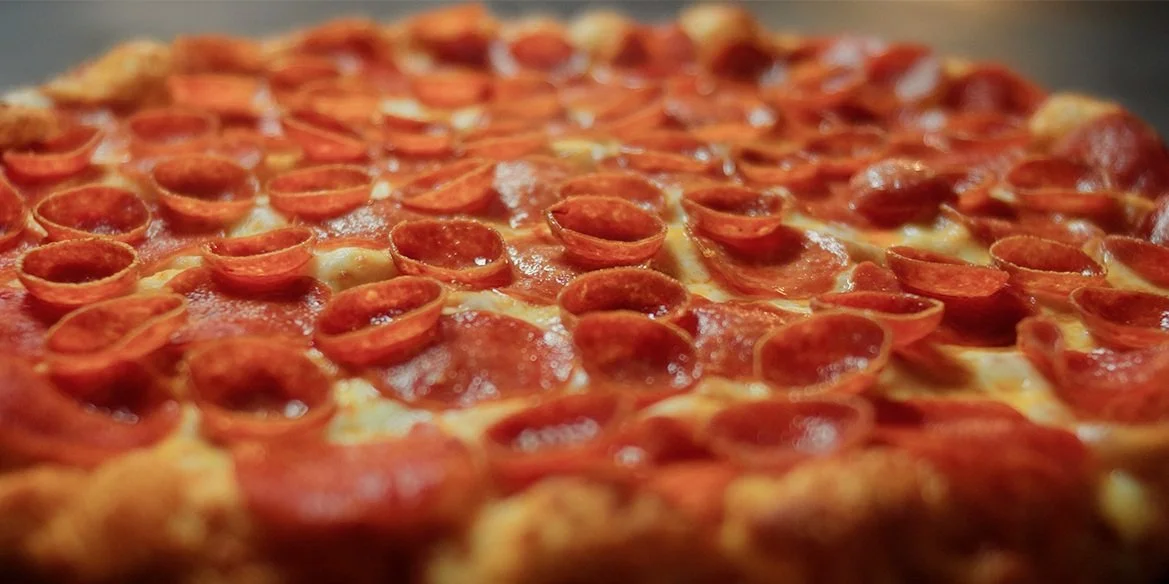
The Significance of Food Cinematography in the Eyes of a Director of Photography
In the realm of visual storytelling, where every frame tells a tale, food cinematography emerges as a sensory symphony—a culinary ballet captured through the lens.
In the realm of visual storytelling, where every frame tells a tale, food cinematography emerges as a sensory symphony—a culinary ballet captured through the lens. As a seasoned cinematographer and director of photography, the significance of this art form extends far beyond mere aesthetics. Here, we delve into the main considerations and the profound importance of food cinematography.
Visual Feast: Crafting Appetizing Narratives
Food cinematography is more than a documentation of dishes; it's a culinary narrative. As a cinematographer, the challenge lies in transforming the ordinary act of eating into a visual feast. The play of colors, textures, and the artful arrangement on a plate—all demand meticulous attention to detail. Each frame should not only make the viewer's mouth water but also tell a story about the culture, the chef's artistry, and the essence of the dish.
Lighting Alchemy: Setting the Mood
As a director of photography, understanding the alchemy of lighting is paramount. Proper lighting isn't just about illuminating the scene; it's about creating an ambiance that complements the cuisine. Whether it's the warm glow of a candlelit dinner or the crisp brightness of a breakfast spread, the lighting sets the mood/ The goal of the cinematographer is to influence the viewer's emotional connection with the food.

Movement and Composition
Food has a unique language of movement. As a food cinematographer, capturing the sizzle, the pour, and the delicate arrangement of ingredients is akin to choreographing a ballet. The composition of each shot is crucial, guiding the viewer's eye through the culinary journey. From close-ups that reveal intricate details to wide shots that showcase the overall culinary landscape, every frame contributes to the storytelling.
Storytelling Beyond Taste
Evoking Emotions In the hands of a skilled cinematographer and director of photography, food becomes a conduit for emotion. It's not just about showcasing taste; it's about evoking emotions. The slow-motion cascade of chocolate, the steam rising from a freshly cooked dish—it's a sensorial experience that transcends the screen. Understanding how to visually communicate the essence of a meal is an art in itself.

Branding and Marketing: The Culinary Identity
For commercial endeavors, food cinematography serves as a powerful tool for branding and marketing. It's not just about presenting a dish; it's about crafting a brand identity. The visuals should align with the brand's personality, creating a seamless visual language that resonates with the audience and leaves a lasting imprint.
In conclusion, food cinematography, when viewed through the lens of a cinematographer and director of photography, is a multifaceted art. It involves not only technical mastery but a profound understanding of the culinary story being told. The sensory symphony orchestrated by a skilled cinematographer transforms each dish into a visual masterpiece—a journey that transcends taste and resonates with the heart of the viewer. In the world of visual storytelling, food cinematography isn't just about what's on the plate; it's about crafting an immersive experience that leaves a lasting impression.

The Artistry of Beverage Cinematography
The role of a cinematographer and director of photography takes on a new dimension when it comes to beverage cinematography. Beyond showcasing a drink, it's about telling a story,
In the world of visual storytelling, where every sip can be a narrative and every pour a symphony, the role of a cinematographer and director of photography takes on a new dimension when it comes to beverage cinematography. Beyond showcasing a drink, it's about telling a story, invoking emotions, and bringing out the best in products. Let's explore the main considerations and the profound importance of mastering the art of beverage cinematography.
The Dance of Liquid: Mastering Fluid Dynamics
Beverages have a life of their own—the subtle effervescence of a soda, the slow cascade of a rich stout, or the delicate swirl of wine in a glass. As a cinematographer, understanding and capturing the dynamics of these liquids is an essential skill. From the physics of a bubble's journey to the artful pour, every movement contributes to the narrative. Mastering the dance of liquid is about seizing those moments that make a beverage come alive on screen with artful cinematography and direction.

Lighting Elegance: Illuminating the Ambiance
Lighting is the silent storyteller in beverage cinematography. Whether it's a crystal-clear cocktail or the amber glow of aged whiskey, the play of light can elevate the drink to an art form. As a director of photography, creating the right ambiance through lighting is key. It's about showcasing the drink in its best light—literally. The interplay of highlights and shadows should not just illuminate the liquid but also evoke the desired mood.
Composition Mastery: Crafting Visual Narratives
Each frame in beverage cinematography is a canvas—a canvas where composition is the brushstroke that paints the visual narrative. As a cinematographer, the challenge is to balance the allure of the drink with the surrounding elements. From close-ups that highlight the details of a garnish to wide shots that set the scene, each composition should be deliberate, telling a story that extends beyond the liquid in the glass. That’s my responsibility as a director of photography.

Evoking Emotions: Crafting Sensorial Experiences
Beverage cinematography isn't just about the drink; it's about the experience it evokes. As a cinematographer and director of photography, the goal is to transport the viewer to a sensory realm. The condensation on a cold glass, the fizz of a freshly opened bottle—these details aren't just visual elements; they're emotional triggers. A skilled cinematographer can turn a simple pour into a sensorial journey.
Branding and Identity: Creating Liquid Characters
For products in the beverage industry, cinematography serves as a powerful tool for branding. Each visual element, from the choice of glassware to the backdrop, contributes to the brand's identity. A director of photography needs to understand the brand's personality, ensuring that every shot aligns with the overarching narrative. It's about creating liquid characters that resonate with the target audience.
In conclusion, beverage cinematography is a nuanced art that goes beyond merely capturing what's in the glass. It's about storytelling, emotion, and creating a visual experience that lingers in the viewer's memory. For a cinematographer and director of photography, it involves mastering the dance of liquid, wielding light with finesse, and crafting compositions that speak volumes. In the world of visual storytelling, a well-captured pour isn't just a drink—it's a narrative waiting to be unfolded.