One of the things I've always enjoyed about music video cinematography is that the rules are a little different. In commercial advertising, there's usually a product, a message, a brand, and a fairly specific idea of what the final film needs to communicate. Music videos, on the other hand, can go just about anywhere creatively. Sometimes they're performance-driven, sometimes they tell a story, and sometimes the concept is so abstract that explaining it to somebody outside the production would probably raise more questions than answers.
I've spent years working as a Director of Photography and camera operator in Los Angeles, with projects spanning commercial advertising, branded entertainment, television promos, and music videos. Along the way, I've been fortunate to work on music video productions involving artists like Post Malone, Rihanna, Taylor Swift, Jason Derulo, Bullet for My Valentine, and TRY featuring RY X. Every project brought something different, from large-scale music video productions to experimental filmmaking that pushes the boundaries of traditional cinematography.
What I enjoy most is that no two projects require the same approach. Some demand precise camera choreography, others depend on spontaneous movement and performance, and some involve visual techniques that didn't even exist a few years ago. That's what makes music video production such an interesting part of my work as a Los Angeles cinematographer.
Music Video Cinematography Starts With the Artist and the Song
Before thinking about cameras, lenses, or lighting, I want to understand what the music is supposed to feel like visually. Is the song energetic, intimate, aggressive, playful, or atmospheric? Does the director want something grounded in reality, or are we creating an entirely different world? Those questions influence the visual language of the entire production, from camera movement and composition to lighting, color, and lens selection.
A high-energy pop video might benefit from dynamic movement, bold lighting, and a strong sense of scale. A more atmospheric track could call for restrained cinematography, longer takes, or imagery that leaves room for interpretation. Neither approach is necessarily better. The important thing is making sure the cinematography belongs to the music rather than simply showing off an interesting camera technique.
As a music video Director of Photography in Los Angeles, I think adaptability is one of the most important skills you can bring to a project. Every artist has a different visual identity, and every director has a different way of translating music into images. My job is to understand that vision and help bring it to life, whether that means building a carefully controlled lighting environment or following the performance with a camera and seeing what happens.
Jason Derulo's Acapulco: Music Video Drone Cinematography
One of the music video projects I've worked on was Jason Derulo's Acapulco, where I contributed drone cinematography. Aerial photography can be a fantastic tool for music videos because it introduces perspectives and movements that are difficult to achieve with traditional camera setups. It can reveal a location, create momentum, establish scale, or connect different parts of a sequence through movement.
But there's an important difference between getting a camera into the air and creating an aerial shot that actually contributes to the video. The movement needs to feel intentional, whether it's following the energy of the track, revealing the environment, or complementing the choreography and performance happening below. A beautiful aerial image is great, but it's much more useful when it serves the edit and the overall creative direction.
That's something I enjoy about drone cinematography. It gives you another way to approach visual storytelling without being restricted to ground-level camera positions. For directors and production companies looking for a music video cinematographer in Los Angeles, experience with aerial photography can be particularly useful when a treatment involves large locations, dynamic movement, or environments that play an important role in the concept.
Of course, aerial cinematography also involves plenty of planning. Location restrictions, available light, safety considerations, and airspace regulations all affect what can realistically be achieved. The trick is finding the creative opportunity within those limitations rather than treating the drone as a shortcut to an impressive shot.
TRY Featuring RY X: Break Me Open and Experimental Music Video Production
At the other end of the creative spectrum is Break Me Open by TRY featuring RY X, an AI-heavy music video project that explored a very different approach to visual storytelling. Rather than relying entirely on conventional live-action filmmaking, projects like this bring together cinematography, digital techniques, visual effects, and emerging creative technologies.
What interests me about experimental music video production is how much the role of the cinematographer can expand. You're not necessarily thinking only about what happens in front of the lens. You're also considering how imagery might be transformed, combined, or manipulated later in the process. That changes the conversations around composition, movement, lighting, and the overall visual approach.
AI and digital production tools are creating some interesting possibilities for filmmakers, but I don't think they replace the need for strong creative decisions. If anything, having more options makes it even more important to understand what you're trying to achieve. Just because you can create something visually strange doesn't automatically make it compelling. There's still a difference between an interesting image and one that actually contributes to the music.
For me, projects like Break Me Open are exciting because they challenge the traditional boundaries of music video cinematography. They encourage experimentation and collaboration across different disciplines, while still relying on the fundamentals of visual storytelling that make any film work.
My Valentine, Post Malone, Rihanna and Taylor Swift: Experience Across Music Video Productions
My music video experience also includes Social Apocalypse by Bullet for My Valentine, along with camera operating credits on productions for Post Malone, Rihanna, and Taylor Swift. These projects represent another side of music video production, where the scale of the crew, the technical requirements, and the demands of the performance can be very different from a smaller independent shoot.
Some of the music video projects I've been involved with include:
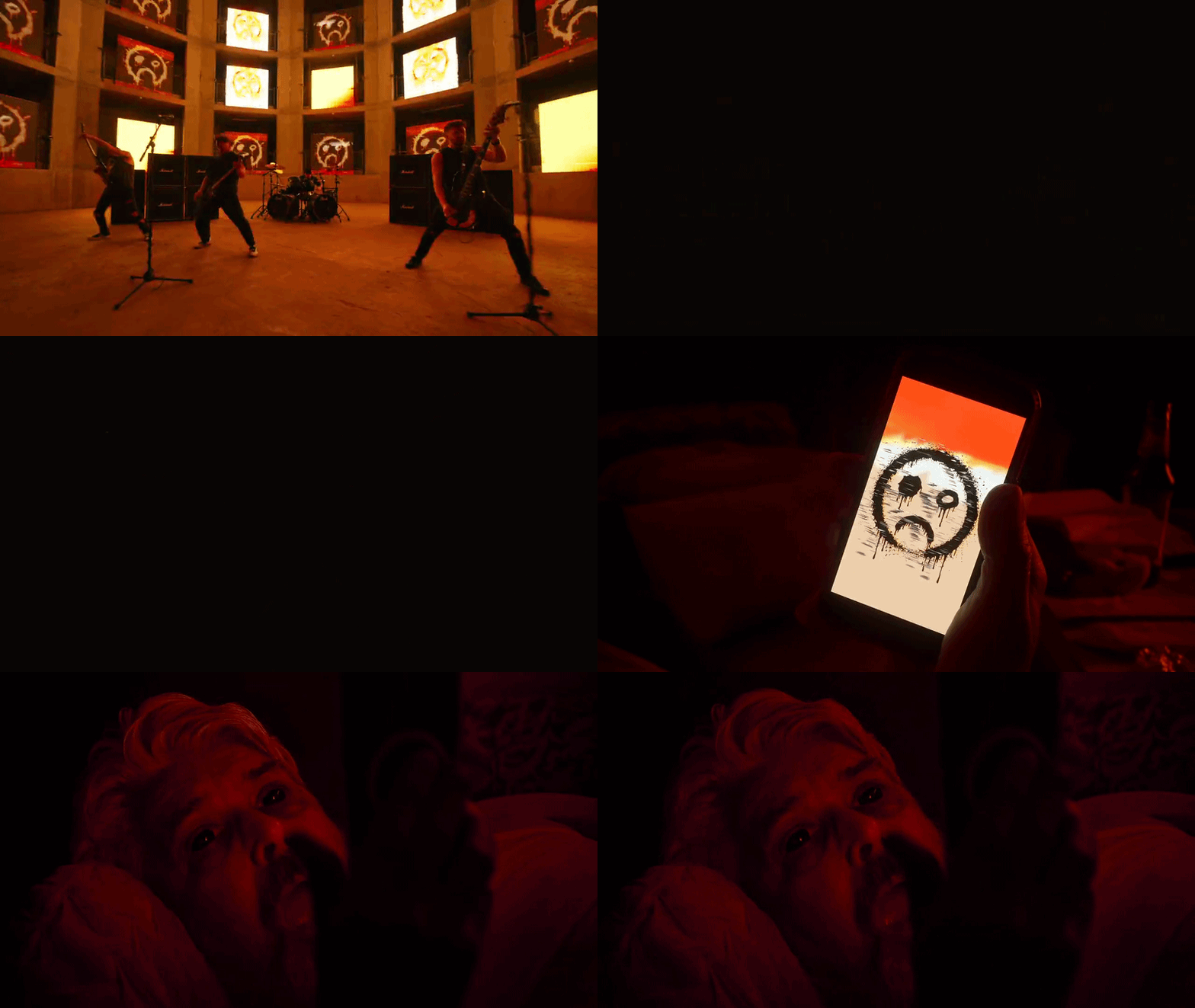
Bullet for My Valentine – Social Apocalypse: Music video production
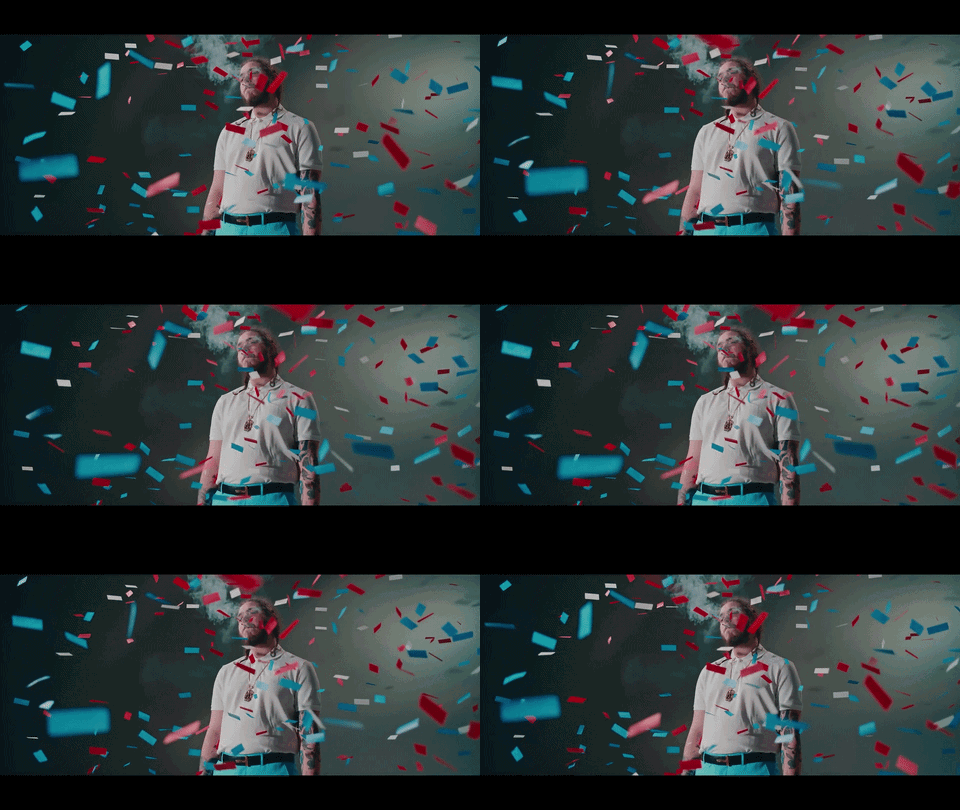
Post Malone – Congratulations: Camera Operator
Rihanna – Diamonds: Camera Operator
Taylor Swift – I Knew You Were Trouble: Camera Operator
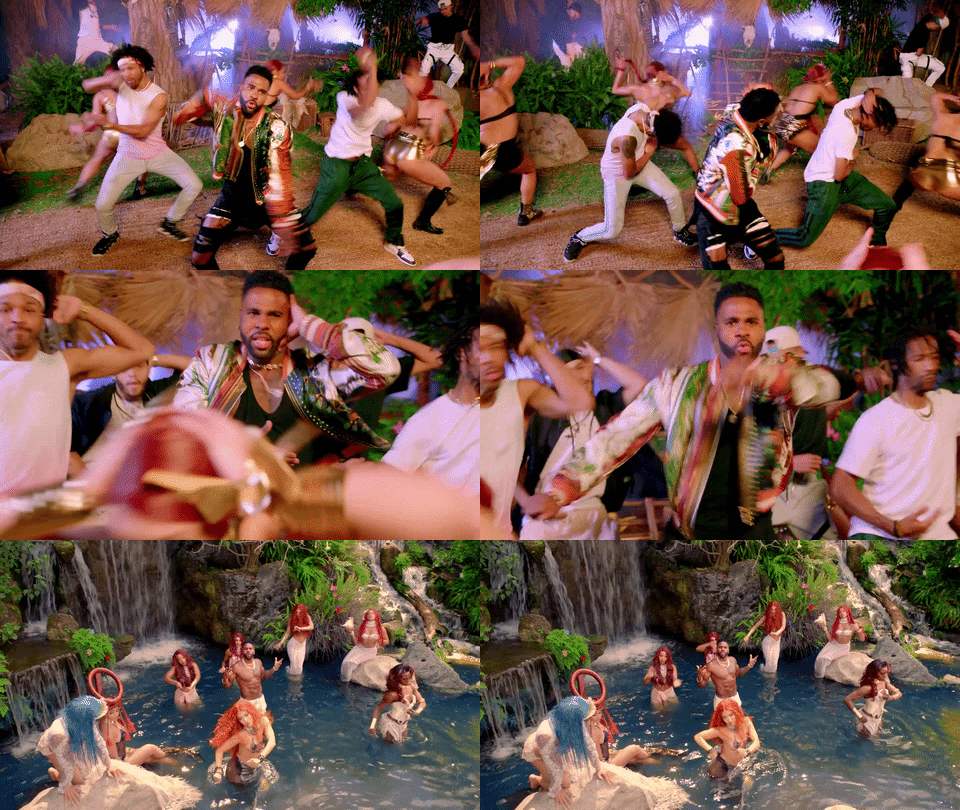
Jason Derulo – Acapulco: Drone Cinematography
TRY featuring RY X – Break Me Open: Experimental music video production
Working as a camera operator on a major music video is a different responsibility from leading the cinematography as a DP. You're working within a larger camera department, collaborating with the Director of Photography, director, and other crew members to execute a particular visual approach. There's a lot to learn from being part of those productions, particularly when it comes to understanding how camera movement, performance, choreography, and lighting need to work together.
That experience has been valuable throughout my career. You get to see different directors and cinematographers approach their work, learn how larger productions are organized, and develop the ability to adapt quickly when things change. Those lessons carry over directly into my work as a commercial Director of Photography, whether I'm shooting a television promo, a product commercial, or another music video.
And regardless of the size of the production, the fundamentals remain pretty consistent. Find the right frame, understand the movement, work with the people around you, and try not to be the reason everyone needs another take.
How Commercial Cinematography Experience Translates to Music Videos
A large part of my career has been spent working in commercial cinematography, including food, beverage, beauty, product advertising, television promos, and branded entertainment. At first glance, those projects might seem pretty different from music videos, but many of the technical and creative skills overlap.
Commercial production teaches you how to plan complicated shots, manage tight schedules, collaborate across departments, and create a very specific visual style. Those skills are just as useful on a music video set, especially when the treatment includes multiple locations, complicated camera movements, visual effects, or ambitious lighting setups.
I've also spent years working with motion control systems, high-speed cameras, and specialized production techniques. Motion control can be useful for music videos involving precise camera choreography, repeatable movements, or visual effects. High-speed cinematography can transform a brief moment into something dramatic, whether that's a physical effect, a performance detail, or an abstract visual sequence.
But I don't approach music videos as though they're simply another commercial. The creative freedom is part of what makes them interesting, and I think it's important to preserve that. My commercial experience gives me a technical foundation, but the visual approach should always be built around the artist, the director, and the music.
Camera Movement, Lighting and Creating a Visual Identity
Camera movement is one of the most expressive tools available to a music video cinematographer. Handheld photography can make a performance feel immediate and spontaneous, while a carefully planned dolly or Steadicam move can create a completely different emotional response. Drone cinematography can establish scale, and motion control can introduce precise, repeatable movements for more technical sequences.
Sometimes the best decision is to leave the camera completely still. It really depends on the song and what the director wants the audience to experience. I don't think movement should exist simply because the equipment is available. It should contribute something to the image, whether that's energy, tension, intimacy, or a sense of progression.
Lighting offers just as much creative freedom. A music video might use bold colors, hard shadows, atmospheric practical lighting, or natural light depending on the concept. Unlike certain forms of commercial advertising, the lighting doesn't always need to represent reality. It just needs to feel convincing within the visual world we're creating.
For directors searching for a music video DP in Los Angeles, I'd recommend looking at how a cinematographer handles different visual styles. Can they create a strong atmosphere? Do they understand how to light performers and locations? Can they adapt when the concept changes? And can they achieve interesting images without relying on the same lighting approach for every project?
Those qualities are often more useful than having a signature look that gets applied to absolutely everything.
Making Ambitious Music Video Concepts Work Within Real Budgets
Music videos have a wonderful habit of being creatively ambitious. A treatment might involve multiple locations, elaborate lighting, aerial photography, visual effects, performance sequences, and several technically complicated camera moves. Then you look at the schedule and realize we're supposed to shoot the entire thing in a day.
That's where experience becomes useful. As a Director of Photography, I want to understand which images are essential to the concept and where we can make the production more efficient without sacrificing the creative. Sometimes one carefully chosen location can provide several different looks. Sometimes changing the lighting or lensing can completely transform a space, and sometimes a smaller camera package allows us to move much faster