Long-Form Productions and What They Demand From Modern DPs
Long-form productions—episodic series, branded documentaries, extended campaign films, and multi-day commercial narratives—ask something very different of a Director of Photography than short, high-impact shoots. In 2026, these projects reward endurance, systems thinking, and visual consistency just as much as creative flair.
This is where cinematography stops being about individual shots and becomes about sustaining a visual language over time.
Long-Form Work Is About Consistency, Not Constant Reinvention
On short commercial shoots, novelty can be an advantage. On long-form productions, it’s a liability.
Modern long-form cinematography prioritizes:
Visual continuity across days or weeks
Predictable lighting behavior
Repeatable camera logic
Cohesion between scenes and sequences
The DP’s job shifts from “make every shot impressive” to make the entire piece feel intentional.

Stamina Is Now a Professional Skill
Long-form productions test more than taste.
They test:
Physical endurance
Decision fatigue management
Emotional steadiness under pressure
A modern DP must maintain:
Creative clarity late in long days
Consistent judgment over extended schedules
Calm leadership when momentum dips
This reliability is often what keeps productions on track.
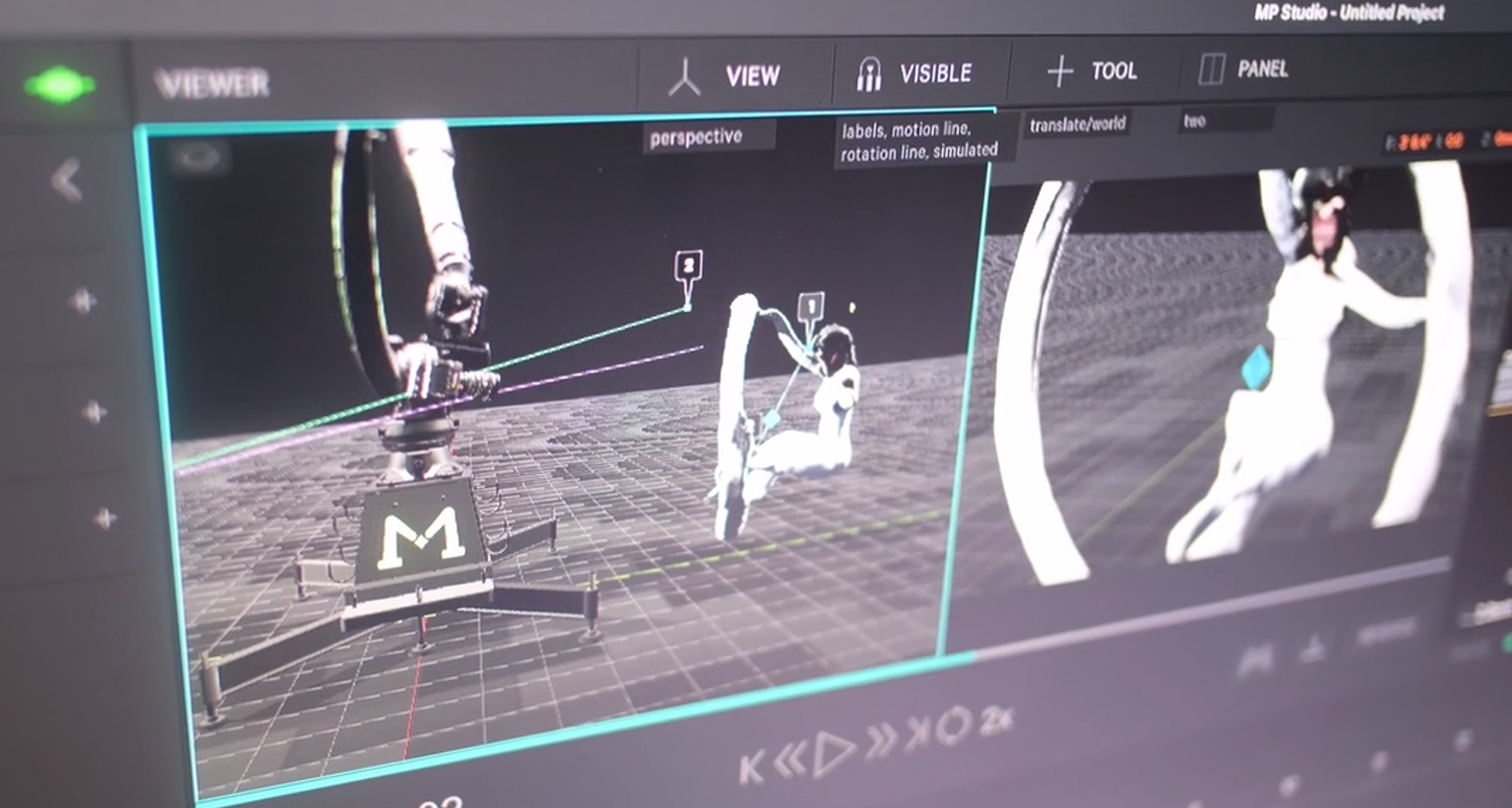
Pre-Production Becomes the Real Battleground
In long-form work, preparation isn’t optional—it’s survival.
Strong DPs invest heavily in:
Lighting systems that scale
Exposure strategies that protect post
Visual rules that guide daily decisions
The goal is not rigidity—it’s controlled flexibility.
When systems are solid, creativity stays sustainable.
Visual Language Must Outlive Individual Scenes
Long-form cinematography demands a clear visual grammar.
This includes:
Consistent contrast levels
Repeating camera movement principles
Stable color logic
Recognizable pacing
When a DP defines this early, it becomes a compass—guiding decisions even when time is tight.
Collaboration Deepens Over Time
Long-form projects strengthen—or expose—collaboration dynamics.
DPs work closely with:
Directors across evolving ideas
Gaffers maintaining continuity
Camera teams managing consistency
Post teams shaping long arcs
Clear communication compounds in value the longer a production runs.
Post-Production Thinking Is Non-Negotiable
Long-form work lives or dies in post.
Modern DPs design footage to:
Cut smoothly across scenes
Match exposures across days
Maintain color continuity
Avoid surprises in finishing
Every lighting and camera choice is made with the edit in mind.
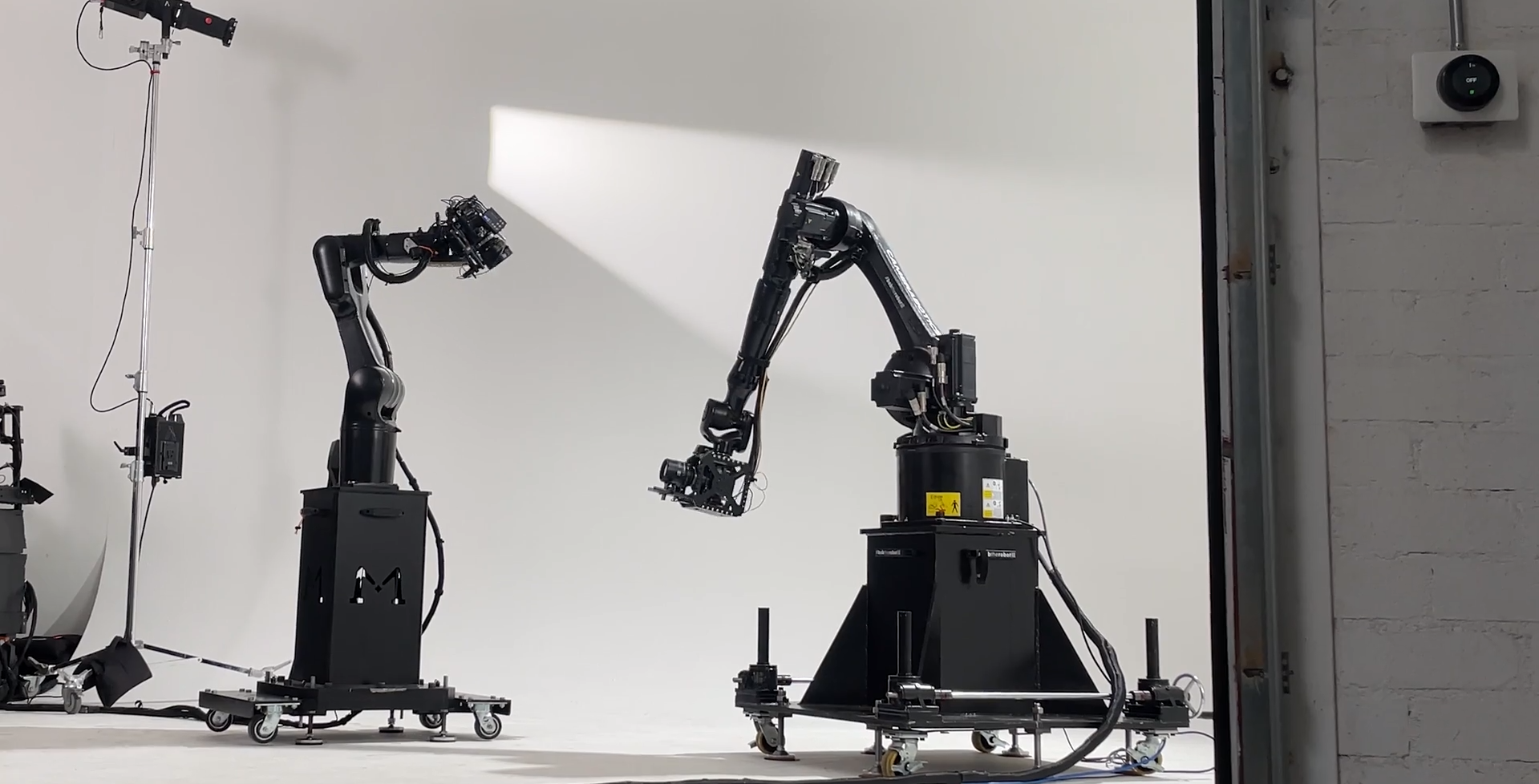
Motion Control and Precision Tools—Used Selectively
Long-form doesn’t mean high-tech everywhere.
Motion control and precision tools work best when:
Used for recurring visual motifs
Applied to repeatable sequences
Supporting narrative structure
Overuse adds fatigue. Intentional use builds identity.
Leadership Matters More Than Style
In long-form environments, the DP becomes a stabilizing force.
Teams rely on:
Clear decision-making
Consistent standards
Respectful communication
Steady pacing
Style draws attention once. Leadership earns trust every day.
Why Agencies Value DPs Who Can Go the Distance
For agencies and brands commissioning long-form work, risk multiplies with time.
They look for DPs who:
Protect visual consistency
Prevent burnout on set
Deliver predictable quality
Solve problems quietly
In competitive hubs like Los Angeles, long-form reliability is a major differentiator.
Long-Form Work Sharpens Commercial Craft
Ironically, long-form projects often make DPs better commercial cinematographers.
They reinforce:
Discipline over impulse
Systems over spontaneity
Cohesion over spectacle
These skills translate directly into stronger, more confident short-form work.
Final Thoughts
Long-form productions don’t reward flash. They reward clarity, consistency, and care.
For modern DPs, success in long-form work means:
Designing visual systems that last
Leading teams through time, not just moments
Making decisions that still hold up weeks later
It’s not about how strong the first frame is.
It’s about whether the last frame feels inevitable.