How to Choose the Right Cinematographer for Food, Beverage & Tabletop Advertising Campaigns
There's a pretty big difference between making something look good on camera and making somebody immediately want to eat it, drink it, or buy it.
And that's where food, beverage, and tabletop cinematography get interesting.
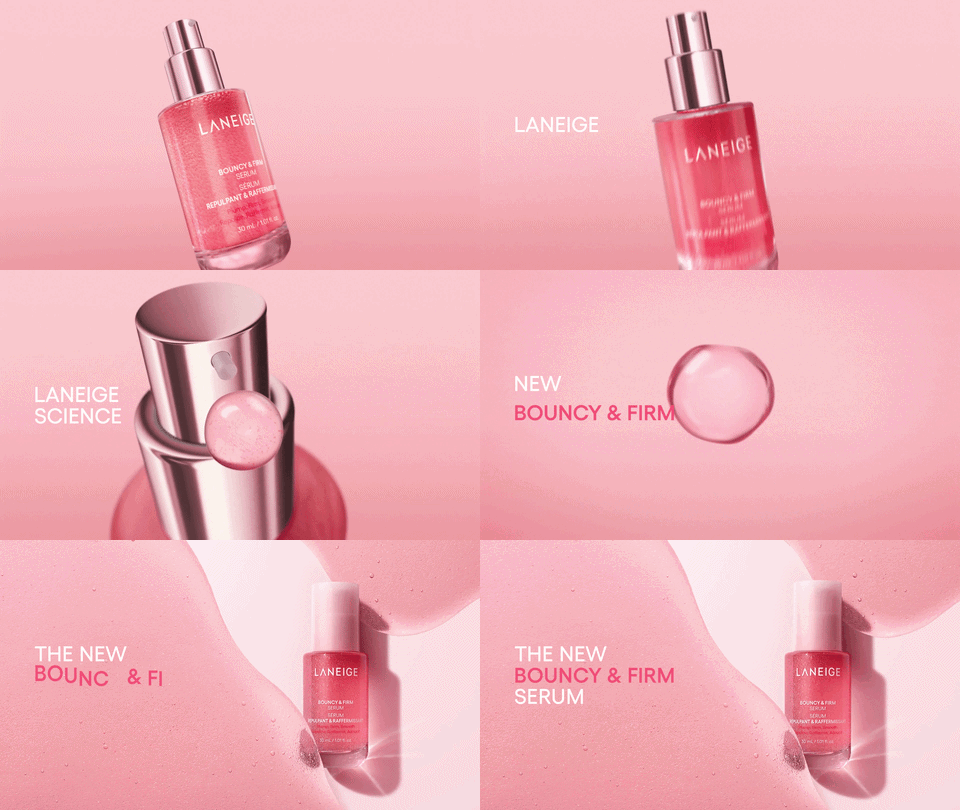
I've spent a good part of my career as a commercial Director of Photography shooting everything from flying shrimp and dripping sauces to premium spirits, wine bottles, beauty products, and plenty of objects that have absolutely no intention of cooperating with the camera.
Now, as I bring my commercial cinematography experience from Los Angeles to London and the wider UK production industry, these are some of the projects I'm particularly excited to keep working on.
But if you're an agency producer, creative director, or production company looking to hire a food cinematographer, beverage DOP, or tabletop specialist, how do you actually know you're choosing the right person?
A beautiful reel is a good start.
It's just not the whole story.
1. Look for Experience in the Specific Category You're Shooting
Commercial cinematography covers a huge range of work.
A DP who creates beautiful automotive commercials may be brilliant at lighting vehicles, managing large exterior setups, and capturing fast-moving action.
That doesn't automatically mean they've spent much time photographing chocolate.
And chocolate, surprisingly, has a lot of opinions about being photographed.
Food, beverage, and tabletop cinematography each require their own technical understanding.
For example, food cinematography involves managing texture, freshness, movement, and the way different ingredients respond to light.
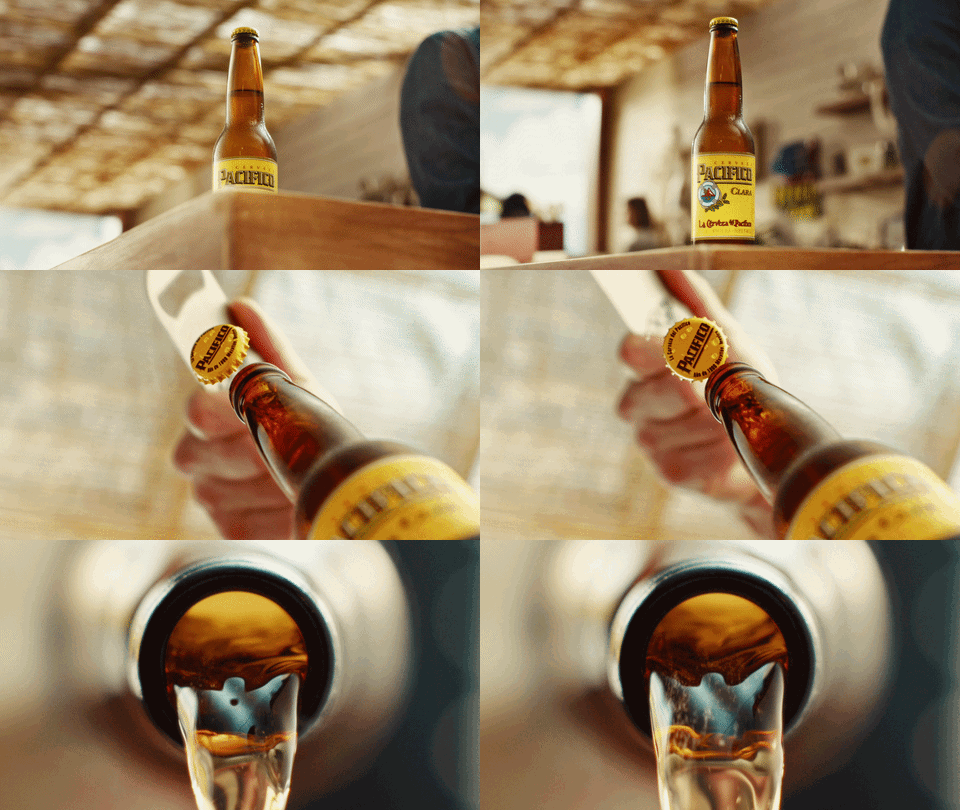
Beverage cinematography introduces glass, liquid, reflections, condensation, ice, transparency, and sometimes rather ambitious splash effects.
Tabletop cinematography often means making extremely small adjustments to lighting, camera placement, and product positioning until everything looks exactly right.
If you're hiring a commercial cinematographer in London or anywhere in the UK, look beyond the overall quality of the reel.
Ask whether they've actually worked with the type of product you're advertising.
Someone who understands the category will usually anticipate challenges that might not be obvious during the initial creative discussion.
And that can save an enormous amount of time once you're on set.
2. A Great Food Cinematographer Understands Appetite Appeal
Food cinematography isn't just about beautiful lighting.
It's about making people hungry.
That's the entire assignment.
I've worked on food campaigns involving noodles, pizza, quesadillas, sauces, chocolate, and ingredients doing all sorts of things that ingredients probably weren't designed to do.
Sometimes we're capturing a beautifully simple moment, like steam rising from a hot dish.
Other times we're coordinating a high-speed camera, food styling, special effects, and a precisely timed camera move to capture something that happens in a fraction of a second.
Both approaches can work.
The important thing is understanding what makes the food appealing.
For a campaign like Pei Wei Asian Kitchen, the food needs to feel fresh, vibrant, and full of texture. The cinematography should make the viewer almost imagine the taste.
That means paying attention to how the light catches sauces, how ingredients move, and how the colors work together.
It also means working closely with food stylists.
A good food stylist is worth their weight in gold.
And an experienced food cinematographer knows that the best results usually come from that collaboration, not from trying to solve everything with the camera.
When evaluating a food advertising DP, ask to see work that demonstrates actual appetite appeal rather than simply attractive compositions.
Those are two very different things.
3. Beverage Cinematography Is a Completely Different Challenge
If food can be difficult, beverages introduce an entirely new collection of things to worry about.
Glass is reflective.
Liquids are unpredictable.
Ice moves.
Condensation disappears.
Labels need to remain readable.
And somehow, all of those elements need to look effortless in the finished commercial.
I've worked across wine, spirits, cocktails, and other beverage campaigns, including projects for Absolut x Ocean Spray and Banfi Estate.
Each category has its own visual personality.
A premium wine commercial might benefit from restrained camera movement, carefully controlled highlights, and a more elegant lighting approach.
A refreshing vodka cranberry campaign might call for more energy, movement, color, and playful liquid photography.
The point is that beverage cinematography isn't one visual style.
The cinematographer needs to understand the brand and the feeling the campaign is trying to create.
When agencies are searching for a beverage cinematographer in London or a drinks commercial DOP in the UK, I'd suggest looking for somebody who can explain their creative decisions as clearly as they can demonstrate them.
Why was the bottle lit that way?
Why did the camera move?
Why was that particular frame rate chosen?
If there's a good answer behind those decisions, you're probably talking to somebody who understands the assignment.
4. Understand When Motion Control and High-Speed Cameras Are Worth It
Not every food or beverage commercial needs a motion control robot.
Sometimes a beautifully lit product and a straightforward camera move are exactly what the idea calls for.
But there are situations where specialized equipment can open up possibilities that would be incredibly difficult to achieve otherwise.
Motion control is a big part of my commercial cinematography work.
I've used robotic camera systems for precise, repeatable movements, complex tabletop sequences, synchronized actions, and shots involving multiple passes.
The biggest advantage is consistency.
Once a camera move is programmed, you can repeat it with extraordinary precision.
That becomes particularly valuable when you're combining live-action photography with special effects or visual effects.
High-speed cinematography introduces another creative dimension.
Using cameras such as the Phantom, you can turn a split-second action into something the audience can really appreciate.
A splash.
A piece of food falling.
Liquid wrapping around a product.
A burst of ingredients.
At high frame rates, those moments become entire sequences.
Combine high-speed photography with motion control, and you can create camera movements that travel through the action in ways that would be extremely difficult to reproduce manually.
But here's the important part.
The equipment should support the idea, not become the idea.
If you're hiring a motion control cinematographer or tabletop DOP, ask how they would approach the shot before asking which robot they want to use.
The creative problem should come first.
5. Ask How They Approach Pre-Production
One of the easiest ways to identify an experienced commercial DP is to pay attention to the questions they ask before the shoot.
For food, beverage, and tabletop productions, preparation can make an enormous difference.
I'd want to understand the creative concept, the product, the intended visual style, and the practical requirements of the campaign.
Then we start getting into the details.
Will the food be moving?
Are there liquid effects?
Does the product have difficult reflective surfaces?
Are we capturing multiple versions of the same action?
Will we need clean plates for VFX?
Are there specific label or packaging requirements?
How many deliverables are expected?
And perhaps most importantly, how much time do we actually have?
A commercial might only be fifteen or thirty seconds long, but an individual tabletop shot can involve an incredible amount of preparation.
If there's a complex splash or a robotic camera move, we may need to test the action before the shoot.
If we're working with food, the stylist needs to understand exactly what the camera will see.
If there are visual effects, the VFX supervisor should be involved early enough to influence how we capture the footage.
None of this is particularly glamorous.
But it's often the difference between a smooth shoot and a very expensive afternoon of problem-solving.

6. Look for Someone Who Can Work With the Entire Creative Team
A cinematographer doesn't create a food or beverage commercial alone.
Even when the finished shot looks incredibly simple, there's usually a lot happening just outside the frame.
Directors. Agency creatives. Producers. Food stylists. Art directors. Gaffers. Special effects teams. Robot operators. VFX supervisors.
And occasionally someone whose entire job is making sure one particular piece of food lands in exactly the right place.
Every department contributes something important.
My job as a Director of Photography is to help bring those pieces together visually.
That means understanding the director's vision, communicating clearly with the crew, and making sure technical decisions support the creative direction.
It also means knowing when to listen.
Some of the best ideas on a commercial set come from somebody who isn't standing behind the camera.
An experienced DP should be comfortable collaborating rather than treating every decision as a personal artistic statement.
The goal is to make the commercial better.
Not to win an argument about where the light should go.
7. Consider How the Campaign Will Be Used
Commercial production has changed quite a bit over the years.
A single campaign might need a hero film, shorter cutdowns, vertical social edits, website content, and multiple versions for different platforms.
That affects how we shoot.
A beautifully composed 16:9 frame doesn't always translate comfortably into a vertical crop.
A complex product move might work perfectly in a thirty-second commercial but become difficult to use in a six-second version.
And a campaign with several products or packaging variations may require a more flexible shooting approach.
These are conversations worth having before production.
Sometimes small adjustments to framing, movement, or camera positioning can make the footage much more useful across different formats.
The cinematography still needs to look great.
It just needs to work everywhere the campaign is going to appear.
8. Ask the Right Questions Before Hiring Your DOP
If I were an agency producer putting together a shortlist of food, beverage, or tabletop cinematographers, I'd want to understand a few things beyond the reel.
Have you shot this type of product before?
Relevant experience matters, especially when the product introduces technical challenges.
How would you approach the most difficult shot in the treatment?
This is often a much more useful conversation than simply discussing equipment.
Would you recommend motion control, high-speed cinematography, or practical effects?
A good cinematographer should be able to explain when specialized techniques add value and when they're unnecessary.
What would you want to test before the shoot?
Testing can be particularly valuable when working with liquids, food movement, reflective products, or complicated camera choreography.
How do you work with food stylists, special effects teams, and other departments?
Commercial cinematography is collaborative. You want somebody who understands that.
What could go wrong, and how would you plan around it?
Personally, I love this question.
Because something always behaves differently than expected.
Usually the thing you thought would be easiest.
9. Bringing Food, Beverage & Tabletop Cinematography Experience to London
After years working as a commercial Director of Photography in Los Angeles, I'm looking forward to bringing that experience to London, Essex, and productions across the UK.
My work has taken me through food advertising, beverage campaigns, beauty and product cinematography, motion control, high-speed photography, and plenty of projects that combine several of those disciplines.
I've learned that the most successful commercial shoots aren't necessarily the ones with the most equipment or the most complicated camera movements.
They're the ones where everyone understands what they're trying to create.
Sometimes that requires a Phantom camera, a motion control robot, and a carefully choreographed splash.
Sometimes it requires one light, one lens, and a really good piece of food.
Knowing the difference is a pretty useful skill.
If you're an agency producer, creative director, or production company looking for a food cinematographer in London, a beverage DOP in the UK, or an experienced tabletop Director of Photography for an upcoming campaign, I'd love to hear what you're working on.
Especially if it involves making food fly.
I seem to have developed a bit of a specialty there.
Frequently Asked Questions About Hiring a Food, Beverage or Tabletop Cinematographer
What should I look for when hiring a food cinematographer?
Look for a portfolio demonstrating appetite appeal, experience with food styling and lighting, and the ability to capture texture, freshness, and movement. Experience coordinating high-speed photography and practical effects is especially useful for more complex food commercials.
Do beverage commercials require a specialist Director of Photography?
Not always, but a beverage cinematographer with experience lighting glass, controlling reflections, photographing liquids, and working with condensation and ice can make a significant difference, particularly for premium drinks campaigns.
When should an agency use motion control for product cinematography?
Motion control is particularly useful when a shot requires precise, repeatable camera movement, multiple passes, synchronized product actions, or visual effects integration. It's not necessary for every commercial, but it can be invaluable for technically demanding tabletop work.
Can one cinematographer handle food, beverage, and tabletop campaigns?
Absolutely, provided they have relevant experience across those categories. The underlying skills overlap considerably, especially lighting, composition, high-speed photography, and working with specialized production teams.
Are you available for food and beverage commercial shoots in London and across the UK?
I'm bringing my commercial DP experience from Los Angeles to London and am looking forward to collaborating with UK agencies, directors, brands, and production companies. I'm interested in projects throughout London, Essex, and the wider UK, particularly those involving food, beverage, tabletop, product cinematography, and motion control.