Why Motion Control Is Becoming a Bigger Advantage for Commercial Cinematographers in Los Angeles
There was a time when motion control cinematography felt like a specialty tool.
A cool trick.
A premium add-on.
Something brands pulled out when they wanted to get fancy with a bottle pour, a macro product move, or a VFX-heavy tabletop shot.
That time is over.
In 2026, motion control is becoming less of a flex and more of a genuine competitive advantage — especially for a commercial Director of Photography in Los Angeles.
Why?
Because the way campaigns are being made has changed.
Brands want:
more deliverables
more versions
more control
more post flexibility
more content from tighter timelines
and somehow still expect everything to look like it had the budget of a Super Bowl spot
That’s where robotic camera systems, motion control cinematography, and highly repeatable camera moves become incredibly valuable.
And for a cinematographer in Los Angeles working in:
product cinematography
tabletop cinematography
beauty product cinematography
commercial video production
advertising content
high-speed commercial production
…motion control is no longer just a technical novelty.
It’s a serious production advantage.
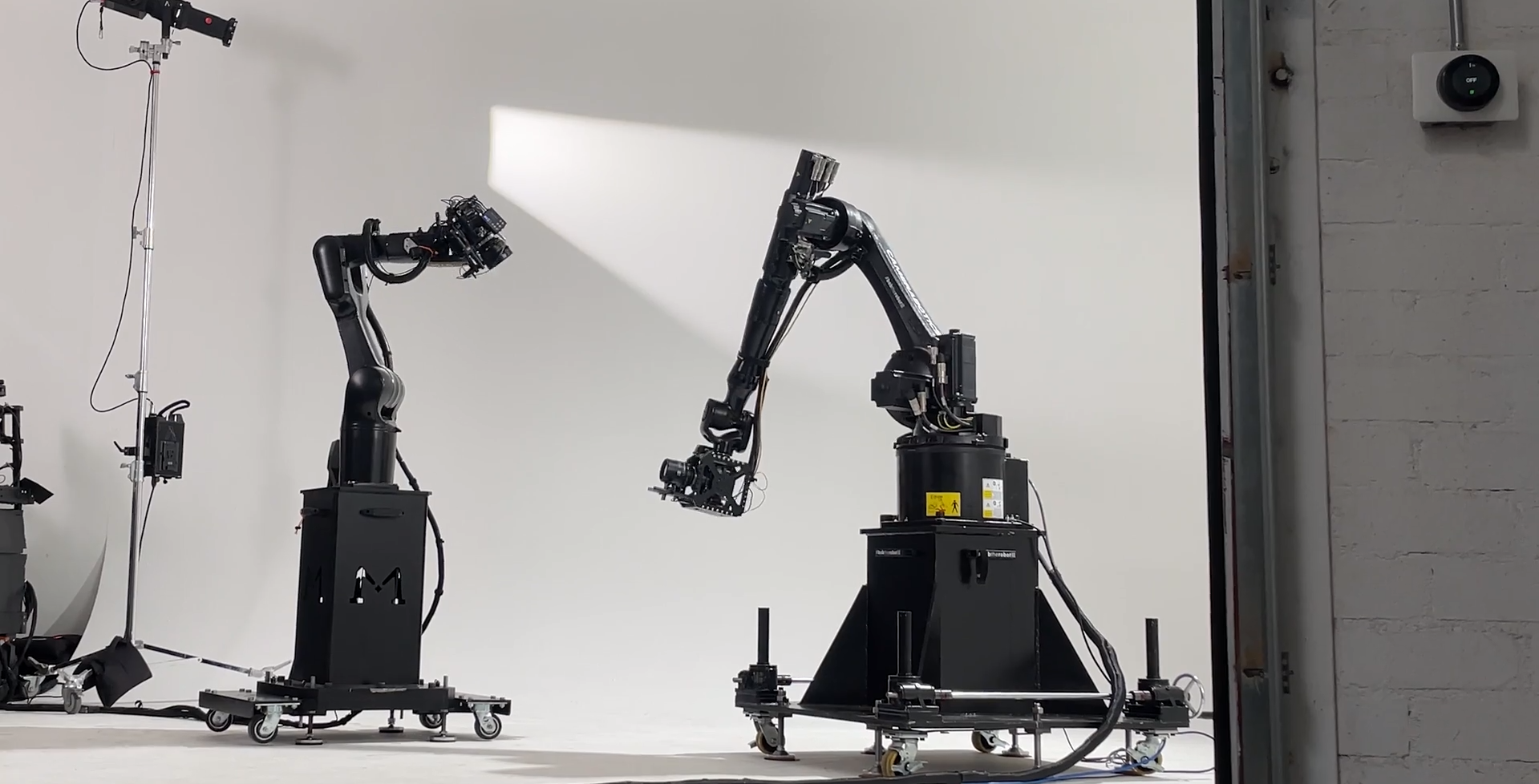
Motion Control Isn’t Just About “Cool Shots” Anymore
Let’s start here, because this is where a lot of people misunderstand it.
When people hear motion control, they often think:
flashy robotic camera moves
dramatic bottle reveals
impossible repeat passes
super polished commercial product shots
or that one ad where the camera somehow glides through twelve objects and a splash without touching anything
Yes, all of that is true.
But in 2026, the real value of motion control cinematography in Los Angeles is bigger than just spectacle.
It’s about:
precision
repeatability
efficiency
post-production flexibility
multi-pass compositing
camera consistency
faster iteration
and the ability to build premium visuals in a more controlled way
That matters more than ever in commercial production, where one shoot often has to support:
hero spots
cutdowns
social versions
product loops
retail placements
alternate aspect ratios
still frame pulls
and sometimes three extra ideas that magically appear after lunch
Motion control helps make all of that more realistic.
Why Los Angeles Commercial Production Is Leaning Into Precision
In Los Angeles commercial cinematography, there’s a very real shift happening.
The margin for sloppiness is shrinking.
Clients want premium results, but:
budgets are tighter
crews are leaner
timelines are shorter
revisions are more frequent
and post teams are being asked to do more with footage that has to work harder than ever
That means the Director of Photography in Los Angeles who can build precision into the production is immediately more valuable.
And that’s exactly where motion control shines.
A well-planned robotic move can:
reduce guesswork
eliminate drift between takes
support cleaner composites
create consistency across multiple passes
improve continuity for product, liquid, or effects work
make high-end product cinematography more repeatable
and help the whole production feel more controlled
That’s not just helpful.
That’s money.
Motion Control Is a Huge Advantage in Product Cinematography
If there’s one area where motion control cinematography is absolutely dominating, it’s product cinematography.
Especially in Los Angeles product cinematography, where brands want products to feel:
premium
intentional
tactile
dimensional
luxurious
precise
and clean enough to survive close-up scrutiny on a 4K monitor and a social crop
That’s a lot to ask from a bottle, a jar, a tube, or a piece of packaging.
Motion control helps because it allows the camera move to become part of the design.
Instead of “sort of” repeating a move by hand, you can create:
exact push-ins
controlled arcs
repeatable parallax
multi-layer reveals
perfect timing around labels, logos, or hero features
cleaner transitions between passes
consistent hero movement for VFX or retouching
In beauty product cinematography, skincare product cinematography, and luxury product video production, that kind of precision can make the difference between:
“nice”
and“premium”
That’s a big difference.
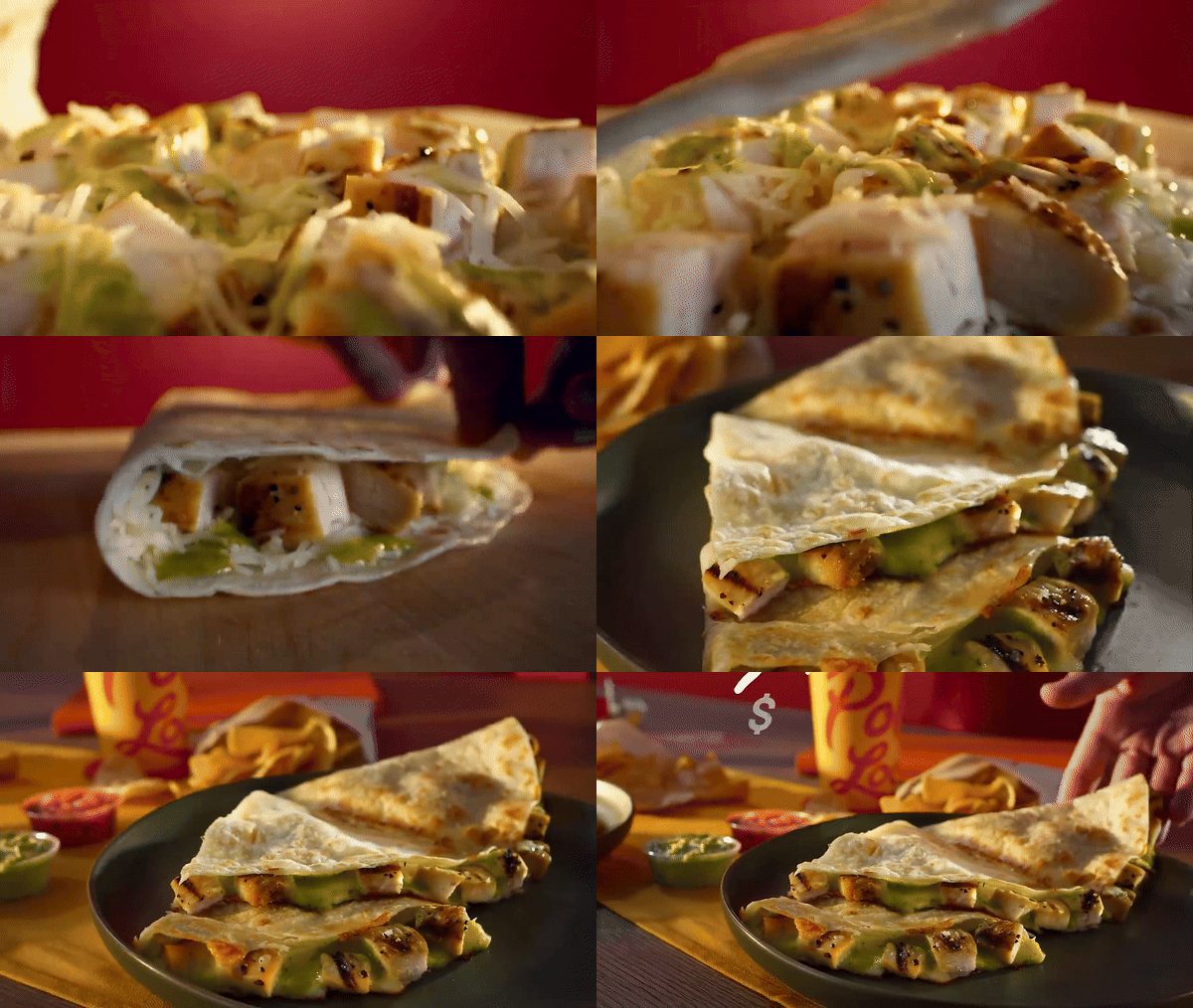
Beverage Cinematography Is Practically Built for Motion Control
If you’ve ever shot beverage cinematography, you already know:
Everything is trying to betray you.
Condensation changes.
Ice melts.
Bubbles shift.
Splashes misbehave.
Liquid reflections get weird.
The bottle turns one degree and suddenly the label hates you.
It’s chaos wearing expensive glass.
That’s exactly why motion control beverage cinematography is such a powerful combination.
In Los Angeles beverage cinematography, motion control helps with:
repeatable hero passes
synchronized splash timing
controlled liquid reveals
multi-pass compositing
condensation preservation strategies
label consistency
precise macro movement
dramatic but polished bottle reveals
smooth timing for luxury spirits, wine, beer, and RTD products
Whether it’s:
a wine bottle
a spirits campaign
a vodka splash shot
a soda pour
a juice / mixer setup
or a luxury tabletop beverage commercial
And in beverage, that moment is everything.
Motion Control Makes Tabletop and High-Speed Work Smarter
In tabletop cinematography, especially in Los Angeles commercial production, motion control isn’t just helpful — it often changes what’s realistically possible.
Why?
Because tabletop work is full of tiny details that become huge details on camera:
micro reflections
surface texture
alignment
edge highlights
prop movement
tiny timing differences
high-speed precision
product consistency
interaction timing with food, liquid, or particles
When you combine motion control with:
high-speed cinematography
product splashes
ingredient reveals
macro details
layered effects
multi-pass setups
…you create a much more reliable system for executing complex shots.
That’s a big deal in:
food cinematography
beverage cinematography
beauty product commercials
household product video production
luxury tabletop advertising
commercial product campaigns in Los Angeles
And from a producer or agency standpoint, it’s not just “impressive.”
It’s safer.
It’s Also a Post-Production Superpower
This is the part a lot of people outside the commercial cinematography world don’t fully appreciate.
In 2026, a lot of the real value of motion control shows up after the shoot.
A commercial DP in Los Angeles who understands post workflows knows that repeatable robotic camera movement can make life much easier for:
editors
VFX teams
retouchers
compositors
finishing artists
color teams
brand reviewers
and anyone trying to build a clean final spot without inventing miracles
Motion control supports:
clean plates
exact multi-pass layering
element replacement
liquid composites
packshot refinements
alternate product versions
label swaps
easier cleanup
modular edits
more confidence in cropping across formats
That’s why motion control commercial production is increasingly valuable in campaigns where one hero setup needs to support:
a 16:9 ad
a 9:16 vertical cutdown
retail screen loops
e-commerce motion assets
still frame pulls
social ads
and maybe an OOH animation because apparently nobody likes sleeping anymore
The camera consistency makes all of that easier.
Motion Control Doesn’t Replace Creativity — It Supports It
This is worth saying clearly.
Some people still talk about robotic camera systems like they somehow remove artistry.
That’s usually said by people who either:
haven’t used them much
orthink “chaos” is a personality trait
Motion control doesn’t replace creativity.
It gives creativity a stronger foundation.
A precise move allows the Director of Photography to:
light more intentionally
plan timing more confidently
build more complex visual ideas
experiment safely
combine multiple layers
refine transitions
and repeat successful results without crossing their fingers
That’s not less creative.
That’s more controlled creativity.
And in commercial video production, controlled creativity is incredibly valuable.
Because the best commercial work often feels spontaneous…
while being painfully planned.
That’s the magic.

Why This Is Such a Strong Positioning Advantage for Drew
This is exactly why motion control cinematography in Los Angeles should be a major pillar of Drew’s positioning.
Because it’s not just a cool thing he can do.
It’s a serious business advantage for clients.
Drew’s experience across:
product cinematography
beverage cinematography
food cinematography
tabletop commercial production
high-speed cinematography
Phantom workflows
commercial advertising
TV promos
precision-driven branded content
…means motion control isn’t being used as a gimmick.
It’s being used as part of a larger cinematography skill set.
That matters.
A lot of people can talk about a robot.
Far fewer can use it in a way that actually improves:
the image
the workflow
the client confidence
the post flexibility
and the final commercial result
That’s the difference.
And that’s what makes this such a strong authority position for him in Los Angeles commercial cinematography.
Final Thoughts
In 2026, motion control is no longer just a flashy add-on for high-end commercials.
It’s becoming one of the smartest advantages a commercial cinematographer in Los Angeles can bring to a production.
Why?
Because it helps solve modern production problems:
tighter timelines
more deliverables
higher expectations
heavier post workflows
precision-dependent product work
premium beverage and tabletop campaigns
and the constant need to make things look expensive without wasting time
For the right Director of Photography, motion control becomes more than a tool.
It becomes a way of working:
more precise
more repeatable
more efficient
more post-friendly
and ultimately, more valuable to agencies and brands
That’s why it matters.
And that’s why in Los Angeles commercial production, it’s only becoming more important.