Hiring an Industrial or Pharmaceutical Cinematographer in London & Essex: What Producers Should Look For
There's something I really enjoy about filming things that weren't necessarily designed to look beautiful.
A massive industrial facility. A complicated piece of machinery. A pharmaceutical product. A laboratory. An enormous collection of pipes, cables, steel structures, and equipment that probably cost more than my house.
These environments and products have their own visual character. You just need to know where to look.
Over the years, my work as a commercial Director of Photography has taken me through industrial facilities, corporate productions, technical product shoots, and commercial campaigns where precision, preparation, and attention to detail are just as important as making a great-looking image.
Now, as I bring my cinematography experience from Los Angeles to London and Essex, I'm particularly interested in working with UK agencies, producers, and brands creating industrial, pharmaceutical, healthcare, and technology-focused advertising.
These aren't always the easiest subjects to film.
Which is probably why I like them.

1. Industrial Cinematography Is About Finding the Story Inside the Environment
When people think about industrial cinematography, they often imagine wide shots of factories, heavy machinery, warehouses, and production facilities.
And yes, those are certainly part of it.
But good industrial cinematography is about much more than documenting a location.
It's about understanding what makes the environment interesting.
The scale of the machinery.
The repetition of structures.
The way light moves across steel.
The geometry of a production facility.
The contrast between enormous equipment and the tiny details that keep everything operating.
I've always been fascinated by industrial environments.
Back in high school, a friend and I used to drive around Pennsylvania and Ohio at night, photographing factories, smokestacks, bulldozers, and other enormous industrial structures.
There may have been a little unauthorized location scouting involved.
These days, thankfully, people hire me to do essentially the same thing.
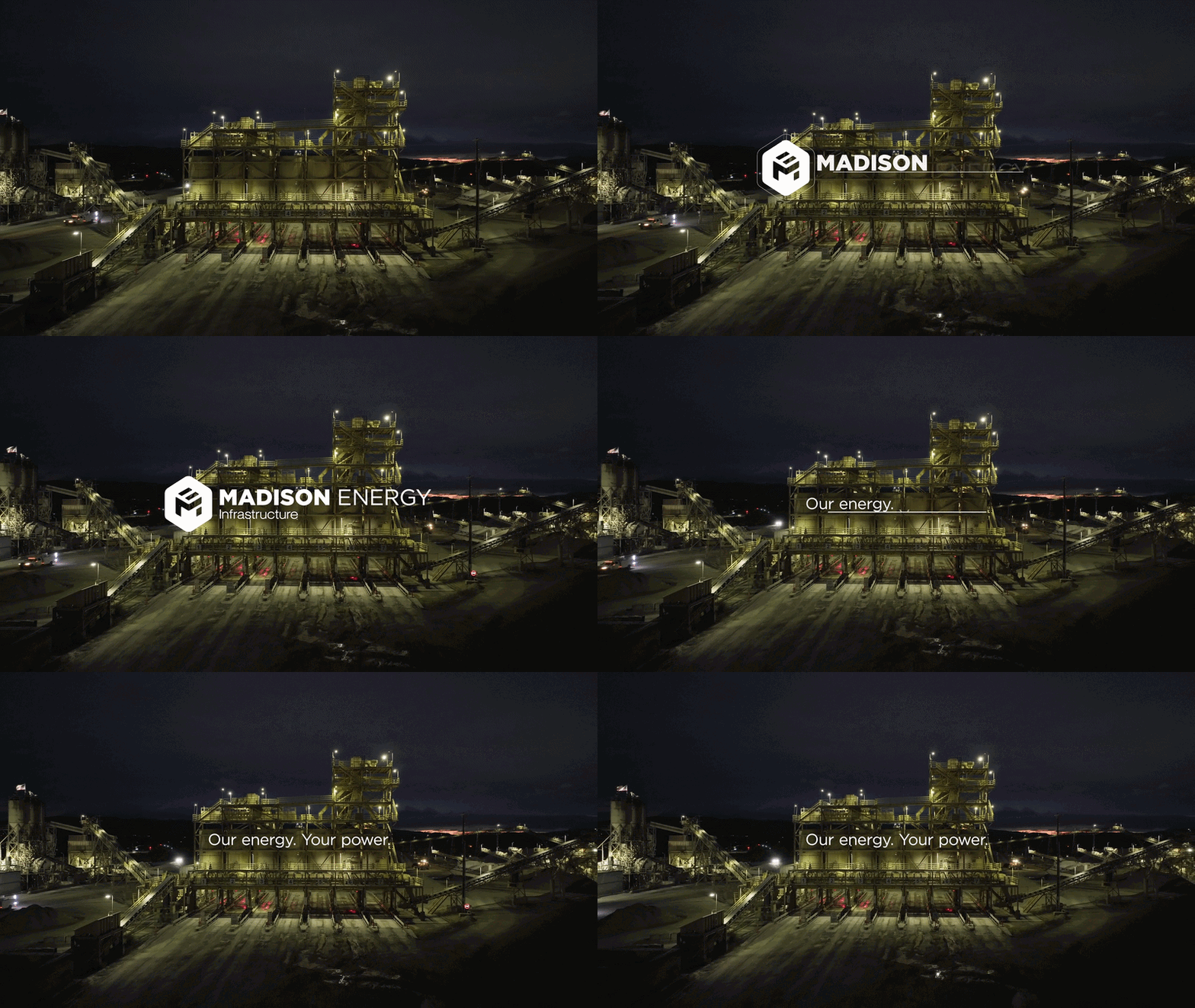
For a recent project with Madison Energy Infrastructure, director Allen Colombo and I travelled to facilities in Los Angeles, Bakersfield, San Francisco, and Virginia.
It was just the two of us, an ARRI Alexa Mini LF, a set of vintage Canomatic Primes, and a DJI Mavic 3 drone.
We used natural light, aerial perspectives, careful composition, and the geometry of the facilities to create cinematic imagery without a large production crew.
It was a great reminder that impressive industrial cinematography doesn't necessarily require a massive production.
Sometimes it requires a good eye, a little patience, and knowing exactly where the sun is going to appear.
2. Pharmaceutical & Healthcare Cinematography Requires a Different Kind of Precision
Pharmaceutical and healthcare advertising presents a different set of challenges.
Instead of photographing a giant industrial facility, you might be filming a medical product, laboratory equipment, healthcare professionals, or a carefully controlled environment.
The visual approach can be quite different, but many of the underlying cinematography skills are the same.
Precision.
Lighting control.
Composition.
Product detail.
Camera movement.
And an understanding of how to communicate something technical in a way that feels accessible.
The imagery needs to feel trustworthy without becoming cold or clinical.
A healthcare campaign might benefit from naturalistic lighting and a more observational camera style.
A pharmaceutical product commercial might require precise tabletop cinematography, macro details, controlled reflections, or carefully choreographed product movement.
And a laboratory or manufacturing campaign might combine industrial cinematography with the clean, technical visual language associated with healthcare advertising.
As a commercial DOP, I enjoy that challenge.
The goal is to make something technically complex feel clear, engaging, and visually interesting.
Without turning every laboratory into a scene from a science fiction movie.
Unless that's the brief.
3. Lighting Technical Environments and Products Is a Skill of Its Own
One of the biggest challenges with industrial and pharmaceutical cinematography is lighting.
Industrial facilities aren't built around the needs of a camera crew.
You might have overhead fluorescent fixtures, mixed color temperatures, reflective machinery, enormous windows, and areas where bringing in additional lighting equipment simply isn't practical.
Pharmaceutical and healthcare environments introduce their own considerations.
White surfaces.
Glass.
Stainless steel.
Transparent materials.
Reflective packaging.
Clean rooms and other controlled spaces.
The lighting needs to communicate the right feeling while accurately representing the subject.
For an industrial commercial, I might want to emphasize texture, depth, and the physical scale of the environment.
For a healthcare campaign, I might approach the lighting more softly to create a welcoming, reassuring atmosphere.
There's no single lighting setup that works for everything.
And that's one of the reasons I think it's important for agencies to hire a commercial cinematographer with experience across different types of productions.
You need somebody who can adapt.
Not somebody who tries to make every location look like the same commercial.
4. Drone Cinematography, Vintage Lenses & Specialized Camera Techniques
One of the things I enjoy most about commercial cinematography is choosing the right tools for the project.
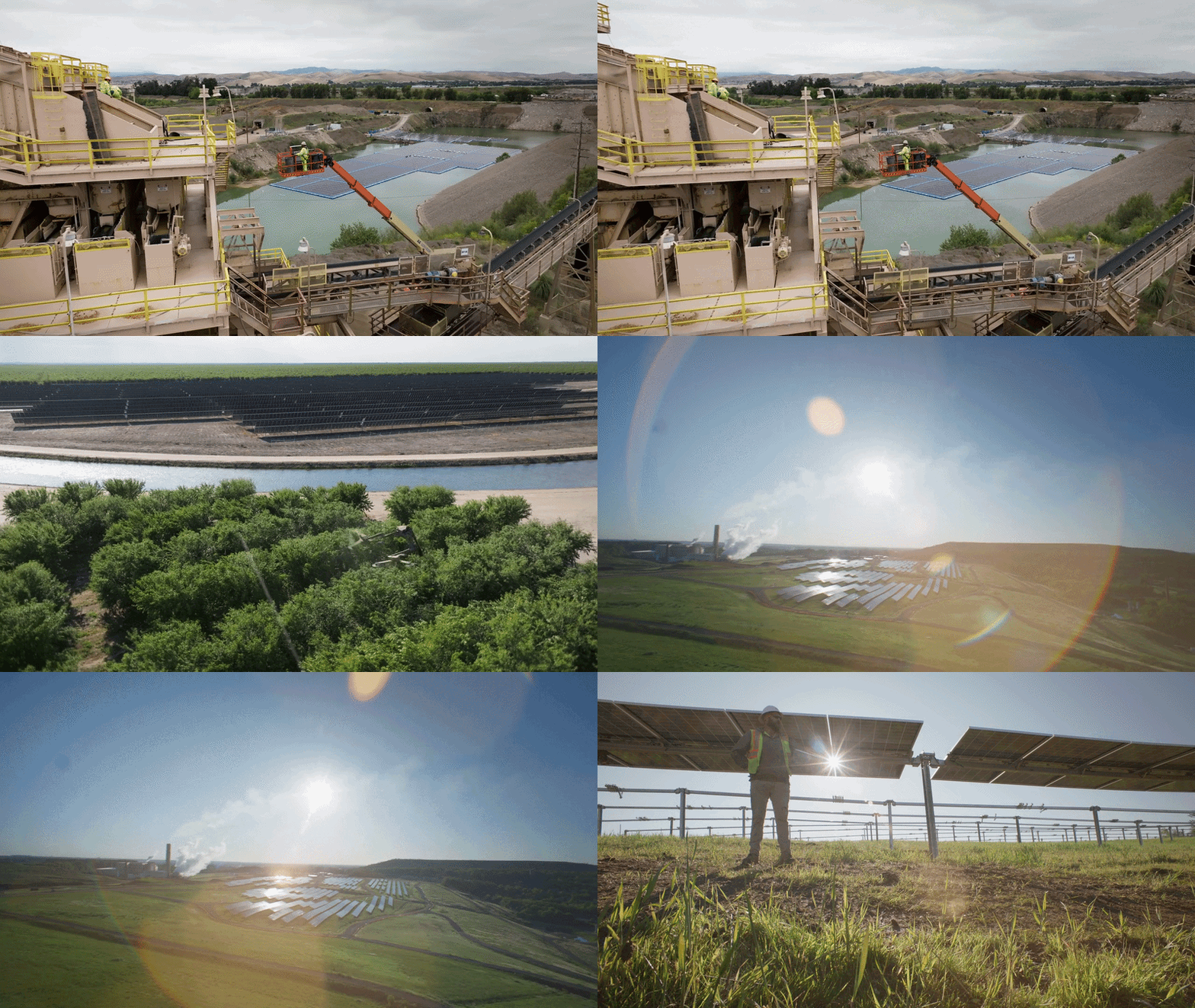
For Madison Energy Infrastructure, we used an ARRI Alexa Mini LF with my vintage Canomatic Primes, custom rehoused by Zero Optik.
The glass dates back to the 1950s and '60s, and it introduced a wonderful character to the modern industrial environments we were photographing.
That contrast was exactly what I wanted.
We also used a DJI Mavic 3 drone to capture aerial perspectives that revealed the scale and geometry of the facilities.
At one Virginia location, we couldn't fly because of nearby Washington, DC airspace restrictions.
So we found another way to get the shot.
A 150-foot lift.
Which meant I got to spend a morning 150 feet in the air, coffee in hand, waiting for sunrise.
Not a bad office.
For pharmaceutical and healthcare advertising, the technical approach might be completely different.
Motion control cinematography can be useful for precise product reveals, repeatable camera movements, and visual effects integration.
High-speed cinematography can reveal the movement of liquids, powders, and other materials that would otherwise be difficult to appreciate.
Macro and tabletop techniques can bring attention to tiny product details.
The important thing is understanding when these tools actually improve the creative idea.
A motion control robot is fantastic when you need one.
But sometimes a carefully composed static shot is far more effective.
5. Industrial & Pharma Shoots Require Serious Pre-Production
One of the biggest differences between filming in a controlled studio and working inside an active industrial or healthcare environment is how much you need to understand before arriving.
Industrial facilities have operational requirements.
Healthcare and pharmaceutical locations may have strict access, hygiene, safety, or confidentiality protocols.
Some spaces may have restricted movement.
Others may limit the equipment you can bring inside.
And there may be people working around you who have much more important things to do than wait for a camera crew.
Fair enough.
That's why preparation is essential.
Before an industrial or pharmaceutical shoot, I'd want to understand the location, the visual objectives, and any operational restrictions that could affect production.
For example:
Which areas are accessible to the camera crew?
Are there safety or hygiene requirements?
Can we bring in additional lighting and grip equipment?
Are there restrictions on drones or camera placement?
Are there specific processes or products that must be represented accurately?
Are there confidential or proprietary details that cannot appear on camera?
What approvals are required before filming?
How much time do we have in each location?
These conversations help determine the camera package, crew size, lighting approach, and shooting schedule.
They also help avoid unpleasant surprises.
Nobody wants to arrive at a pharmaceutical facility with a truck full of equipment only to discover that half of it isn't allowed through the door.
6. A Good Commercial DOP Knows How to Work With Small and Large Crews
One thing my career has taught me is that the size of the crew doesn't necessarily determine the quality of the finished images.
I've worked on commercial productions with large crews, complex lighting setups, motion control robots, special effects, and multiple camera departments.
I've also worked on projects like Madison Energy where it was just the director and me.
Both approaches have their advantages.
A larger crew gives you the resources to build complex lighting setups, coordinate technical effects, and execute ambitious sequences.
A small crew can move quickly, adapt to changing conditions, and work in locations where a large production would be impractical.
Industrial and healthcare productions often benefit from that flexibility.
You might need a full commercial crew for a major pharmaceutical advertising campaign.
Or you might need a compact team to capture a manufacturing facility without interrupting operations.
The key is matching the production approach to the actual requirements of the project.
When agencies are searching for a Director of Photography in London or an Essex DOP for industrial and pharmaceutical work, I'd suggest looking for somebody who's comfortable operating at different production scales.
Because not every job needs a thirty-person crew.
And not every job should be attempted with two people and a backpack.
7. Making Technical Subjects Feel Human
One of the most interesting challenges in industrial and pharmaceutical advertising is finding the human connection.
A pharmaceutical campaign might be about a treatment, product, or medical technology.
But ultimately, the audience often cares about what it means for people.
An industrial campaign might focus on infrastructure, energy, manufacturing, or engineering.
But behind those facilities are the people who design, operate, maintain, and depend on them.
The cinematography should help communicate that.
Sometimes it means capturing the enormous scale of an industrial operation.
Other times it's a close-up of somebody working with precision.
A small gesture.
A carefully framed detail.
A moment of natural light.
A good commercial Director of Photography needs to understand how those images fit into the larger story.
Because the most impressive camera movement in the world isn't particularly useful if it doesn't communicate what the brand is trying to say.
8. What Should Producers Ask Before Hiring an Industrial or Pharmaceutical DOP?
If you're an agency producer, creative director, or production company looking for an industrial cinematographer in London, a pharmaceutical commercial DOP in Essex, or a Director of Photography for a healthcare campaign, there are a few questions worth asking.
Have you worked in technical or industrial environments before?
Relevant experience can help a cinematographer anticipate lighting, access, and operational challenges.
How would you approach filming in a restricted or active facility?
A good DOP should be able to adapt the camera package and production approach to the location.
Can you work with both small and large crews?
Different campaigns require different production footprints.
What specialized equipment would you recommend?
Depending on the project, that might include drones, motion control, high-speed cameras, or specialized lenses.
How do you balance technical accuracy with cinematic storytelling?
This is particularly important for industrial, healthcare, and pharmaceutical advertising.
What information do you need before the shoot?
The questions a cinematographer asks during pre-production can tell you a lot about their experience.
Personally, I'd much rather have a slightly longer conversation before the shoot than discover an entirely avoidable problem once we're already there.
9. Industrial & Pharmaceutical Cinematography in London, Essex & Across the UK
As I bring my commercial cinematography career from Los Angeles to London and Essex, I'm looking forward to collaborating with UK advertising agencies, production companies, directors, and brands across a wide range of technical and commercial projects.
My background includes industrial cinematography, commercial product photography for motion, tabletop production, drone cinematography, motion control, high-speed filming, and projects requiring both large and small production teams.
Those skills translate naturally into industrial advertising, pharmaceutical commercials, healthcare campaigns, manufacturing films, and technology-focused branded content.
And while each industry has its own requirements, the fundamentals of good cinematography remain surprisingly consistent.
Understand the subject.
Understand the story.
Plan carefully.
Find the right light.
Choose the right tools.
And make the images feel like something worth watching.
Sometimes that means a complicated studio setup with specialized camera equipment.
Sometimes it means standing 150 feet in the air waiting for the sun to rise.
I'm happy with either.
If you're looking for an industrial cinematographer in London, a commercial DOP in Essex, or a Director of Photography for pharmaceutical, healthcare, manufacturing, or technology advertising anywhere in the UK, I'd love to hear what you're working on.
Especially if it involves enormous machinery, unusual locations, or something technically complicated that needs to look beautiful.
Those projects tend to be right up my alley.
Frequently Asked Questions About Industrial & Pharmaceutical Cinematography
What does an industrial cinematographer do?
An industrial cinematographer creates video imagery of manufacturing facilities, infrastructure, machinery, engineering processes, and industrial environments for advertising, corporate films, documentaries, and branded content. The work often involves location lighting, aerial cinematography, and careful coordination with active facilities.
What should agencies look for when hiring a pharmaceutical commercial DOP?
Look for a Director of Photography with strong product lighting, technical cinematography, and commercial storytelling skills. For shoots involving regulated environments, it's also important to confirm experience with relevant access protocols and coordination with production and compliance teams.
Can a commercial cinematographer work on both industrial and pharmaceutical campaigns?
Yes. Many of the core skills overlap, including lighting technical environments, capturing detailed product imagery, planning around location restrictions, and translating complex subjects into visually compelling commercial content.
Do industrial commercials require drone cinematography?
Not necessarily, but drones can be extremely useful for establishing the scale, layout, and surrounding environment of industrial facilities. Aerial filming must comply with local airspace regulations and location permissions.
Is Drew Lauer available for industrial and pharmaceutical cinematography in London and Essex?
I'm bringing my commercial Director of Photography experience from Los Angeles to London and Essex, with an interest in industrial, pharmaceutical, healthcare, technology, and corporate advertising projects throughout the UK.